


Causes and Treatment of Viral Herpes in Children
May 30, 2022
Source: Cainiu Health

Dr. Liu Wan
Introduction
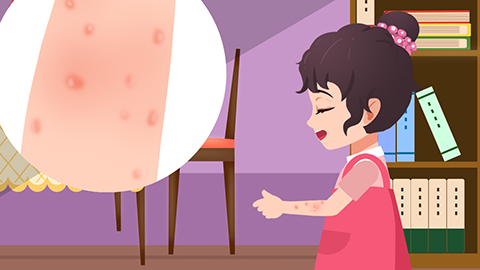
The cause of viral herpes in children is typically infection with the herpes virus or low resistance to common colds, among other factors. Treatment involves both pharmacological therapy and daily care. Viral herpes in children is caused by viral infection. Children’s immune systems are relatively weaker than those of adults, making them more susceptible to viral infections and thus more prone to developing viral herpes. Parents are advised to administer antiviral medications to their children under the guidance of a physician.
Viral herpes is a very common pediatric condition. Prompt treatment is essential upon onset, as delayed management may cause serious harm to the child’s health. What are the causes and treatment strategies for viral herpes in children?
Causes and Treatment Strategies for Viral Herpes in Children
Viral herpes in children is typically caused by infection with herpesviruses or by diminished resistance to common colds and other infections. Treatment generally involves antiviral medications combined with daily supportive care. Viral herpes in children results from viral infection. Due to their relatively immature immune systems, children are more susceptible to viral infections—and thus more prone to developing viral herpes—than adults. Parents are advised to administer antiviral medications to their children only under the guidance of a physician, while also ensuring proper daily care and maintaining a clean, hygienic environment.

During outbreaks of childhood herpes, avoid taking children to crowded, poorly ventilated public places. Maintain a clean and sanitary home environment: regularly ventilate rooms and frequently air out clothing and bedding. Caregivers should wash their hands thoroughly before handling children, after changing diapers, and after handling feces; contaminated materials must be disposed of appropriately.
Bottles and nipples must be thoroughly cleaned before and after each use. Wash hands with soap or hand sanitizer before meals and after returning from outdoors. Ensure children do not drink untreated water or consume cold foods, and avoid contact with ill children. Children exhibiting related symptoms should seek prompt medical evaluation at a healthcare facility. Affected children should be kept away from other children. Parents should promptly dry or disinfect the child’s clothing and properly disinfect fecal matter. Children with mild symptoms typically do not require hospitalization and can be managed at home with rest and supportive care to minimize the risk of cross-infection. We hope this information proves helpful!




