


What happens when an ovarian chocolate cyst ruptures?
May 30, 2022
Source: Cainiu Health

Dr. Chen Zhe
Introduction
After rupture of an ovarian chocolate cyst, the patient’s primary clinical manifestation is sudden-onset abdominal pain—often described as a tearing pain localized to one side of the abdomen. This is subsequently followed by peritoneal irritation signs, including generalized abdominal pain, tenderness, rebound tenderness, and muscular guarding. Some patients may also develop associated symptoms such as fever. Prompt treatment is essential.
In daily life, many women are unaware of the severity of symptoms associated with ovarian endometriomas (also known as “chocolate cysts”). So, what happens when an ovarian chocolate cyst ruptures?
What Happens When an Ovarian Chocolate Cyst Ruptures?
Following rupture of an ovarian chocolate cyst, patients typically experience sudden-onset abdominal pain—often described as a sharp, tearing pain localized to one side of the abdomen. This is frequently followed by signs of peritoneal irritation, including generalized abdominal pain, tenderness, rebound tenderness, and abdominal muscle rigidity. Some patients may also develop systemic symptoms such as fever. The primary consequence is leakage of cystic fluid into the peritoneal cavity, which can lead to ectopic implantation of endometrial-like cells onto other intra-abdominal organs, potentially causing corresponding clinical manifestations. For example, if these ectopic cells implant in the rectum, patients may present with hematochezia (rectal bleeding); if they implant in the bladder, hematuria may occur. Additionally, leakage of cystic fluid often triggers severe adhesions between surrounding tissues and the chocolate cyst, thereby increasing surgical complexity should operative intervention become necessary.
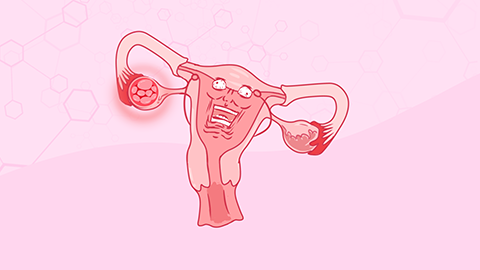
If an ovarian chocolate cyst ruptures, prompt removal of the chocolate cyst fluid from the pelvic cavity is essential. Delayed clearance may result in adhesions among the adnexa, uterus, bowel, pelvic wall, and even the abdominal wall—compromising fertility and potentially leading to diffuse endometriosis.
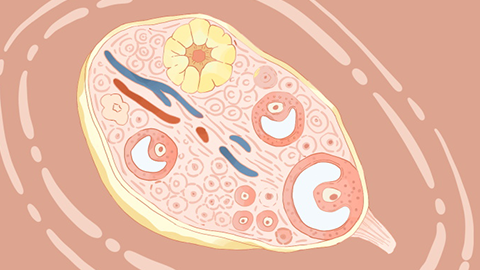
If complications arise—including malignant transformation—the condition becomes extremely dangerous, necessitating immediate treatment. We hope this information has been helpful to you!







