


What should I do for traumatic synovitis of the knee joint?
May 31, 2022
Source: Cainiu Health

Dr. Lin Yunfei
Introduction
Mild traumatic knee synovitis can be managed conservatively or with traditional Chinese medicine (TCM) approaches, such as acupuncture and oral or topical administration of herbal medicines. Arthroscopic knee surgery may be employed for more severe cases of traumatic synovitis or for chronic synovitis associated with significant knee joint degeneration. Additionally, physical therapy can help control the inflammatory response and achieve pain relief.
Traumatic knee synovitis may develop when the knee joint bears excessive load or sustains a severe external impact. So, what should be done for traumatic knee synovitis?
Management of Traumatic Knee Synovitis
For mild cases of traumatic knee synovitis, conservative treatment is typically recommended—such as immobilization using an external orthotic brace. Traditional Chinese medicine (TCM) therapies may also be employed, including acupuncture, oral administration of herbal medicines, topical herbal applications, and herbal fumigation and washing. Surgical intervention is another option. In early-stage disease, arthroscopic surgery can be performed to debride inflamed synovial tissue, drain accumulated fluid, and simultaneously address associated injuries—for example, meniscal tears or anterior/posterior cruciate ligament damage. For severe traumatic synovitis or chronic synovitis leading to significant knee degeneration, surgical treatment may be necessary.
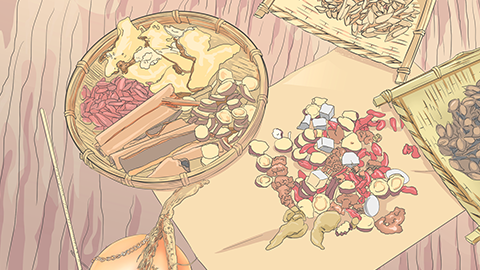
During synovitis treatment, joint immobilization—or even temporary cessation of movement—is often used to reduce effusion production. However, prolonged immobilization may lead to loss of joint function, muscle atrophy, and secondary joint disorders. As an essential adjunctive therapy, functional exercise plays an indispensable role in clinical management.

Traumatic knee synovitis warrants prompt treatment—especially acute synovitis—since timely and appropriate intervention helps prevent progression to chronic disease. We hope this information proves helpful to you.


