


How to Remove Scars
May 31, 2022
Source: Cainiu Health

Dr. Liu Wan
Introduction
First and foremost, it must be clarified that scars are the cumulative result of bodily injury caused by various factors—including physical, chemical, and biological agents. Scar management also encompasses physical therapy and surgical treatment. Physical modalities primarily involve laser therapy, which offers the advantage of precisely targeting scar tissue while sparing surrounding healthy skin. Surgical treatment is predominantly performed via excision; however, surgical excision carries inherent risks.
In daily life, scars may form for various reasons—not only affecting one’s appearance and personal charm but also imposing psychological stress.
How to Remove Scars
First, it is essential to understand that scars result from a combination of physical, chemical, and biological factors causing tissue injury. Scar removal encompasses both physical therapy and surgical interventions. Physical methods primarily involve laser treatment, which offers the advantage of precisely targeting scarred tissue while sparing surrounding healthy skin.
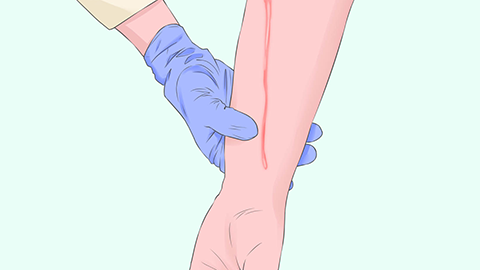
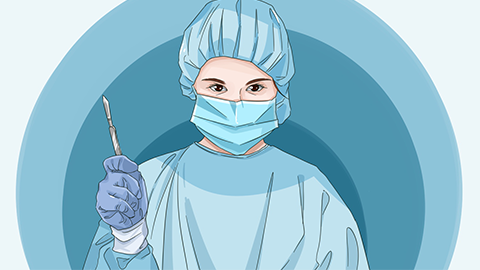
Surgical treatment mainly involves excision; however, this approach carries inherent risks—including the potential formation of new scars. Additionally, certain precautions must be observed during scar management: avoid picky eating, overeating, or consuming inappropriate foods, as these habits may exacerbate scarring. For pharmacological treatment, always consult a reputable hospital and use medically approved scar-removal medications and topical ointments. Refrain from relying on unproven remedies or biased claims, and avoid any interventions that could worsen symptoms.
We recommend incorporating regular physical exercise into daily life, balancing work and rest to enhance overall physical fitness and immunity. Emphasize a diet rich in vegetables and fruits, favoring light, well-balanced, and nutritionally complete meals. Furthermore, if scarring occurs, seek prompt medical evaluation and follow your physician’s guidance for appropriate treatment. We hope this information proves helpful!





