


Dietary Therapy Methods for Polycystic Ovary Syndrome (PCOS)
Jun 01, 2022
Source: Cainiu Health

Dr. Zhao Haiming
Introduction
Polycystic ovary syndrome (PCOS) is an endocrine disorder characterized by ovarian enlargement, multiple fluid-filled cysts in the ovaries, elevated androgen levels, and anovulation. The most prominent feature is anovulation. Symptoms of PCOS include menstrual irregularities, hirsutism, infertility, obesity, ovarian enlargement, and normal or enhanced estrogenic effects. A balanced daily diet—primarily light and moderate—is recommended.
Polycystic ovary syndrome (PCOS) is a common gynecological disorder that affects fertility. Women diagnosed with PCOS should seek prompt and active treatment. So, what dietary therapies are recommended for PCOS?
Dietary Therapy for Polycystic Ovary Syndrome
A well-balanced daily diet—predominantly light and mild—is recommended. Spicy, stimulating, or excessively cold foods should be avoided, as they may exacerbate ovarian stimulation and worsen symptoms of blood stasis and qi stagnation. Foods considered “heat-inducing” or “tonifying,” such as lamb and crab, should also be avoided, along with high-hormone foods like bird’s nest and royal jelly. Blood glucose and body weight must be carefully controlled, and adequate sleep is essential to prevent endocrine imbalance. Patients with PCOS should ensure sufficient intake of protein and vitamins—for example, by consuming more chicken, beef, fish, shrimp, and soy products. Edible mushrooms—including shiitake, king oyster mushrooms, and enoki mushrooms—are also beneficial. Dishes such as red mushroom chicken soup or cold-mixed enoki mushrooms can be incorporated into the regular diet.
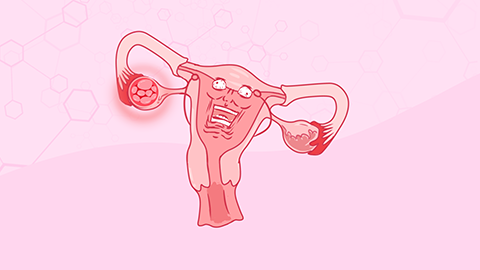
Polycystic ovary syndrome is an endocrine disorder characterized by enlarged ovaries containing multiple fluid-filled cysts, elevated androgen levels, and chronic anovulation. Its most prominent feature is persistent anovulation. Clinical manifestations of PCOS include menstrual irregularities, hirsutism, infertility, obesity, ovarian enlargement, and signs of unopposed estrogen action.
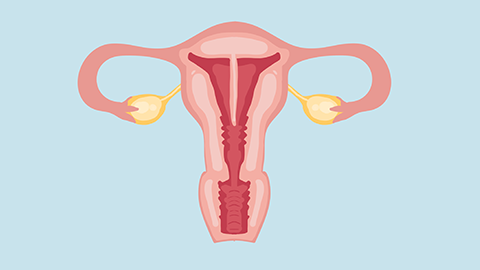
The primary manifestations of PCOS include menstrual disturbances and anovulation. Over time, affected individuals often develop obesity, which in turn increases the risk of comorbidities such as hypertension and hyperglycemia—further aggravating PCOS. Therefore, selecting low-glycemic-index and low-calorie foods can effectively alleviate symptoms and help prevent weight gain. We hope this information proves helpful!




