How to Manage Fatty Liver Through Dietary Therapy
Jun 01, 2022
Source: Cainiu Health

Dr. Zhao Haiming
Introduction
Patients with fatty liver disease can protect their liver by increasing protein intake. Additionally, preparing a porridge with Fo-Ti (Polygonum multiflorum) and dried jujubes is highly beneficial for liver health. Another option is spinach-and-egg soup, or alternatively, crucian carp soup. Fatty liver occurs when excessive fat accumulates within hepatocytes. This condition commonly affects individuals who are obese or who consume alcohol chronically.
With improvements in living standards, many patients with fatty liver disease mistakenly believe that dietary fat is entirely harmful to the body and thus avoid it altogether—a misconception. So, how can diet therapy help manage fatty liver disease?
Dietary Management of Fatty Liver Disease
Patients with fatty liver disease can protect their liver by increasing protein intake. They may also prepare a nourishing porridge using Polygonum multiflorum (He Shou Wu) and dried red dates—this has proven beneficial for liver health. Additionally, spinach-and-egg soup or crucian carp soup are excellent choices. Excess fat accumulation within hepatocytes predisposes individuals to fatty liver disease, commonly seen in those who are obese or have a history of chronic alcohol consumption. Patients with diabetes are also at increased risk for developing fatty liver disease, which may manifest as fatigue and loss of appetite.
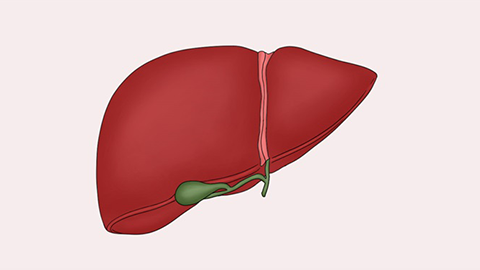
Patients with fatty liver disease should minimize intake of spicy, cold, and otherwise irritating foods, reduce consumption of high-fat foods, and strictly avoid alcohol and tobacco. Active cooperation with medical treatment is essential. Incorporating moderate physical activity into daily life—such as walking or hiking—and maintaining a positive emotional state are also highly recommended. Excessive fat accumulation in hepatocytes increases susceptibility to fatty liver disease. Diabetic patients are particularly vulnerable to this condition, which may lead to fatigue, anorexia, and overall deterioration of health.

In daily life, patients should adopt a light, bland diet and avoid spicy or irritating foods. Increasing intake of fresh vegetables and fruits is encouraged. We hope this information proves helpful to you.