


How is allergic rhinitis treated?
Jun 08, 2022
Source: Cainiu Health

Dr. Guo Xiheng
Introduction
Treatment principles include environmental control, pharmacotherapy, immunotherapy, surgical intervention, and health education. Environmental control—primarily avoiding exposure to allergens and various irritants—is a critical component of the disease prevention and management strategy, yet it is often difficult to achieve in practice. The mainstay treatments are pharmacotherapy and allergen-specific immunotherapy.
Allergic rhinitis is a chronic, non-infectious inflammatory disease of the nasal mucosa. It is the most common type of rhinitis. So, how is allergic rhinitis treated?
How Is Allergic Rhinitis Treated?
The treatment principles include environmental control, pharmacotherapy, immunotherapy, surgical intervention, and health education. Environmental control primarily involves avoiding exposure to allergens and various irritants—a key component of disease prevention—though this goal is often difficult to achieve in practice. The mainstay treatments are pharmacotherapy and allergen-specific immunotherapy. Medications can be used to treat patients with seasonal pollen allergy. Some medications may be administered prophylactically approximately two weeks before peak pollen season begins, yielding favorable symptom control. Immunotherapy modifies the patient’s immune response to allergens and thereby alleviates the clinical symptoms of allergic rhinitis.
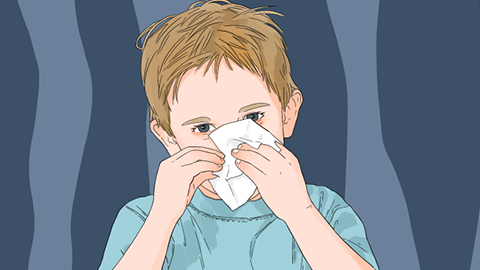
In most patients, the typical sequence of symptom onset is nasal congestion, rhinorrhea, sneezing, and nasal pruritus. Classic symptoms include paroxysmal sneezing, rhinorrhea, nasal itching, and nasal congestion. Ocular symptoms such as itchy eyes, tearing, conjunctival redness, and ocular burning sensation may also occur.

Treating allergic rhinitis is not a short-term endeavor. Maintain a positive mindset and avoid becoming easily frustrated or irritable. Cultivate healthy lifestyle habits in daily life: engage in regular physical exercise to strengthen your body’s resistance, ensure adequate nutrition, actively prevent and manage common colds, and maintain good personal hygiene practices. We hope this information proves helpful. Wishing you a joyful life and optimal health!



