


Symptoms of Neonatal Aspiration Pneumonia
Jun 10, 2022
Source: Cainiu Health

Dr. Ma Yan
Introduction
Symptoms of neonatal aspiration pneumonia include coughing, fever, poor appetite, lethargy, and restless sleep; some infants may produce frothy saliva. It is important to emphasize that although neonates with pneumonia may produce sputum, not all neonates who produce sputum have pneumonia. If parents are uncertain, they should consult a physician. The symptoms of neonatal aspiration pneumonia are largely similar to those of typical pneumonia.
When a new mother feeds her infant, lack of feeding experience may cause the baby to choke on milk. The infant struggles to breathe and appears weak; the physician diagnoses aspiration pneumonia. What, then, are the symptoms of aspiration pneumonia in newborns?
Symptoms of Aspiration Pneumonia in Newborns
Symptoms of aspiration pneumonia in newborns include coughing, fever, poor appetite, lethargy, and restless sleep. Some infants may produce frothy saliva. It should be emphasized that although newborns with pneumonia may produce sputum, not all sputum production indicates pneumonia. If parents are uncertain, they should consult a physician promptly. Clinically, the symptoms of aspiration pneumonia in newborns are largely indistinguishable from those of typical pneumonia; therefore, diagnosis relies heavily on detailed medical history to determine whether aspiration is the underlying cause.

Aspiration pneumonia is a common condition among newborns and carries a high mortality rate; thus, parents must take it seriously. In cases of aspiration pneumonia, the first step is to clear the aspirated material. For severe cases, symptomatic treatment with antibiotics—such as cephalosporins—may be administered under a physician’s guidance. During feeding, parents should ensure the infant does not inhale excessive air into the lungs to help prevent this condition.
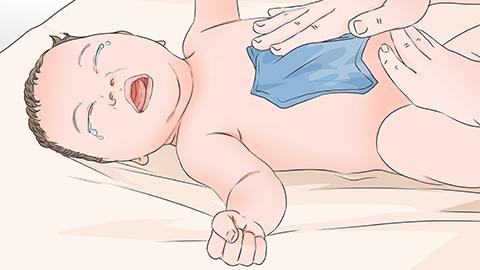
We recommend exclusive breastfeeding whenever possible to ensure optimal nutrition and adequate hydration for the newborn. We hope this information proves helpful.






