


Can astigmatism combined with myopia be treated surgically?
Jun 29, 2022
Source: Cainiu Health

Dr. Chen You
Introduction
Under normal circumstances, myopia surgery has specific eligibility criteria: patients should have myopia ranging from −1.00 to −10.00 diopters (D), and concurrent astigmatism can also be corrected. Generally, astigmatism up to 5.00 D can be addressed simultaneously during the same procedure; however, while the surgical techniques and underlying principles for correcting astigmatism differ somewhat from those used for myopia, they are broadly similar. For instance, myopia correction typically involves central corneal ablation to flatten the central cornea, whereas astigmatism correction aims to selectively flatten the steeper meridian(s) of the cornea to equalize refractive power across all meridians.
Astigmatism and myopia are common types of refractive errors. Mild astigmatism and myopia have minimal impact on vision; however, without proper correction and management, the condition may progressively worsen—potentially developing into moderate or high astigmatism and myopia. This progression not only impairs visual acuity but also interferes with daily life and work performance. So, can surgery correct both astigmatism and myopia simultaneously?
Can surgery correct both astigmatism and myopia?
Under normal circumstances, refractive surgery has specific eligibility criteria: myopia typically ranges from −1.00 D to −10.00 D, and astigmatism can be corrected concurrently. Generally, astigmatism up to −5.00 D can be addressed during the same surgical procedure. Although the surgical techniques and underlying principles for correcting astigmatism differ slightly from those used for myopia, they share fundamental similarities. For instance, myopia correction involves central corneal ablation, whereas astigmatism correction flattens the steeper meridian of the cornea. Thus, during laser vision correction, both myopia and astigmatism can be treated in a single session. However, if astigmatism is particularly severe, postoperative recovery may be slower. Additionally, some patients may experience residual astigmatism after surgery—typically correctable if ≤ −5.00 D, but potentially persistent if > −5.00 D. In cases of very high astigmatism, further diagnostic evaluations are recommended to rule out underlying ocular pathology.
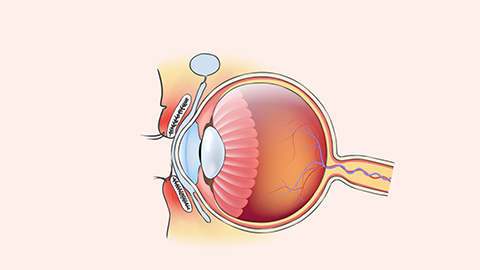
Both myopia and astigmatism can be surgically corrected. Individuals aged 18 years or older may consider excimer laser or femtosecond laser surgery for correction. Regarding refractive error limits, most surgeons consider candidates eligible if their myopia and astigmatism combined do not exceed −10.00 D. Of course, eligibility ultimately depends on corneal thickness. If corneal thickness falls within the normal range and meets surgical requirements, the procedure is generally safe and effective. However, if the cornea is excessively thin, full correction may not be achievable, or laser surgery may be contraindicated.

Patients are advised to protect their eyes in daily life—avoid prolonged screen time and perform eye exercises regularly. We hope this information proves helpful.





