


How many diopters of myopia can be treated with laser surgery?
Jun 29, 2022
Source: Cainiu Health

Dr. Chen You
Introduction
Laser surgery for myopia is generally suitable for patients with refractive errors ranging from −1.00 to −10.00 diopters. Laser treatment for myopia has been widely used in ophthalmic clinical practice for many years, with well-established surgical techniques. With timely postoperative follow-up, patients can achieve excellent visual outcomes. Candidates for laser myopia correction must be at least 18 years old and have had stable refraction for a minimum of two years before considering the procedure.
People with myopia often dislike wearing glasses—especially on rainy days or while eating—because lenses tend to fog up, causing considerable inconvenience in daily life. In such cases, one may consider undergoing laser surgery at a hospital to correct vision. But what degree of myopia can be treated with laser surgery?
What Degree of Myopia Can Be Treated with Laser Surgery?
Laser surgery for myopia is generally suitable for refractive errors ranging from −1.00 D to −10.00 D (i.e., 100 to 1000 degrees). Laser treatment for myopia has been widely used in ophthalmic clinical practice for many years; the surgical technique is well-established, and with timely postoperative follow-up, patients typically achieve excellent visual outcomes. Candidates for laser myopia correction must be at least 18 years old and have had stable refraction for at least two consecutive years. Some patients over age 18 may still experience progressive myopia; in such cases, surgery may be deferred until age 20. Prior to laser surgery, patients must undergo comprehensive preoperative ophthalmic evaluation—including refraction testing—to accurately determine the degree of myopia and other relevant ocular parameters. Additional systemic examinations are also required to confirm eligibility for the procedure.
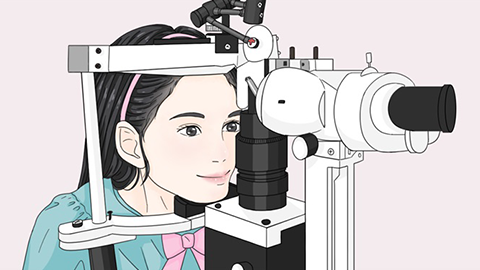
To prevent myopia, cultivate healthy reading habits: sit upright while reading, maintain a distance of approximately one foot (30 cm) between your eyes and the book, and ensure ambient lighting is soft—not excessively bright nor dim—to avoid eye strain and discomfort associated with myopia. Whether reading, studying, or watching television, take periodic breaks to gaze into the distance, thereby relaxing the ciliary muscles and helping prevent myopia progression.

In daily life, regularly performing eye exercises and acupressure massage on key points can effectively relieve eye fatigue and help prevent myopia. Maintain a balanced diet rich in vision-supporting nutrients (e.g., leafy greens, carrots, blueberries), avoid spicy and highly stimulating foods, and refrain from staying up late. We hope this information proves helpful to you.





