


Why Do People with Myopia Go Blind?
Jun 29, 2022
Source: Cainiu Health

Dr. Chen You
Introduction
Myopia typically does not cause blindness; however, complications associated with high myopia can increase the risk of blindness. The primary manifestation of myopia is varying degrees of reduced visual acuity. As myopia progresses, patients’ vision gradually deteriorates—potentially declining to the level of counting fingers at close range—and objects at increasing distances appear progressively blurrier. Nevertheless, most patients do not experience symptoms leading to blindness.
In daily life, some individuals frequently tear up and develop red eyes for no apparent reason. If this phenomenon occurs regularly, heightened vigilance is warranted, as it may indicate trachoma—a common eye disease that can cause significant damage to the eyes. But why can myopia lead to blindness?
Why Myopia Can Lead to Blindness
Myopia itself typically does not cause blindness; however, complications associated with high myopia significantly increase the risk of vision loss. The primary manifestation of myopia is varying degrees of decreased visual acuity. As myopia progresses, visual acuity gradually deteriorates—sometimes to the point where patients can only perceive hand motion or finger counting at close range—and objects appear increasingly blurry at distance. Nevertheless, most patients do not experience complete blindness. In contrast, high myopia triggers a series of pathological changes, including axial elongation of the eyeball and retinal thinning. If the condition advances further, it raises the risk of vitreous opacities, retinal detachment, retinal vascular disorders, and other related complications. Untimely treatment of these high-myopia–related fundus complications may ultimately result in blindness.
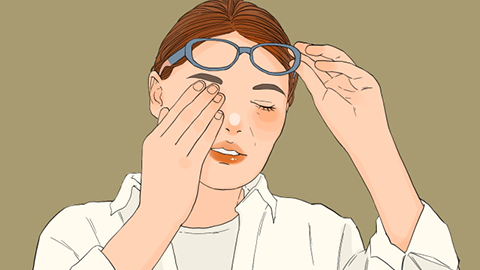
Blindness in myopic individuals may also stem from conditions such as cataracts or glaucoma. Cataracts and similar diseases commonly affect older adults. With advancing age, many people develop such conditions. Due to age-related degeneration of the optic nerve and insufficient scientific understanding of cataracts, elderly patients often misinterpret their symptoms, relying instead on misleading advertisements to self-medicate rather than seeking timely medical care—potentially worsening cataract progression and even leading to blindness. Therefore, prompt diagnosis and appropriate treatment are essential after vision loss occurs, to avoid misdiagnosis or inappropriate medication use that could exacerbate visual impairment. Glaucoma often presents without noticeable symptoms in its early or mid-stages and is usually detected only in advanced stages. This disease can cause irreversible blindness, with no possibility of visual recovery through treatment. Thus, early detection and timely intervention are critical to prevent irreversible pathological damage.

Encourage children to develop healthy reading and writing habits and maintain proper posture while studying. Additionally, ensure a balanced schedule incorporating adequate rest—avoid overusing the eyes to prevent ocular fatigue, which can adversely affect children’s vision. We hope this information proves helpful.




