


How long does eye redness caused by keratitis take to resolve?
Jun 29, 2022
Source: Cainiu Health

Dr. Chen You
Introduction
Eye redness caused by keratitis typically resolves within about one week, though recovery time varies among individuals. Some patients may recover more quickly, while others may require a longer duration—this variation is closely related to disease severity, individual factors, medication use, and environmental influences. Keratitis is characterized by a tendency toward spontaneous resolution, with a typical disease course of 2–4 weeks, and is highly contagious.
Keratitis refers to inflammation of the cornea—the outermost layer of the eye—which is prone to injury due to its direct exposure to the external environment. In mild cases, patients may experience photophobia (light sensitivity) and excessive tearing. In severe cases, keratitis can lead to blindness. How long does ocular congestion (redness) caused by keratitis take to resolve?
How Long Does Keratitis-Induced Eye Redness Take to Resolve?
Ocular congestion resulting from keratitis typically resolves within approximately one week; however, recovery time varies significantly among individuals. Some patients may recover more quickly, while others may require a longer duration—depending closely on disease severity, individual factors (e.g., immune status), treatment regimen, and environmental influences. Keratitis often exhibits a tendency toward spontaneous resolution, with a typical clinical course lasting 2–4 weeks. It is highly contagious, primarily transmitted via direct contact; absence of contact generally prevents transmission. Common ocular symptoms include redness, eyelid swelling, ocular pain, tearing, foreign-body sensation, burning sensation, and increased ocular discharge. Keratitis can be classified into several types: bacterial, viral, fungal, allergic, mixed, and special forms.
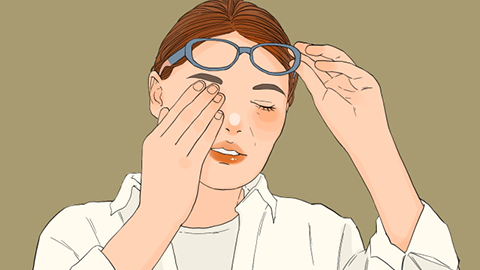
With prompt and appropriate treatment, keratitis-induced eye redness usually subsides within 1–2 weeks. During active treatment, antibiotic eye drops—such as levofloxacin or pranoprofen eye drops—should be administered promptly. Given keratitis’ contagious nature, strict ocular hygiene is essential: frequently wash hands, replace personal items (e.g., towels, pillowcases), and avoid rubbing the eyes with unwashed hands. In severe cases, oral administration of heat-clearing and detoxifying traditional Chinese medicines or cephalosporin antibiotics may be prescribed at the physician’s discretion. Patients should also minimize visual strain, avoid staying up late, consume light, bland meals, and refrain from spicy or irritating foods.

Patients are advised to avoid overusing their eyes during treatment to prevent fatigue, refrain from rubbing the eyes with unclean hands, and avoid warm compresses—since heat application may exacerbate inflammation. Treatment should always follow the physician’s guidance and be tailored to the specific etiology; self-medication must be avoided to prevent disease progression. We hope this information proves helpful.






