


Can high myopia cause astigmatism?
Jun 29, 2022
Source: Cainiu Health

Dr. Chen You
Introduction
High myopia generally does not cause astigmatism. Astigmatism is associated with cylindrical lenses, whereas myopia is associated with spherical lenses; these two refractive errors do not influence each other. Acquired astigmatism is primarily linked to excessive eye strain—particularly from prolonged near-vision tasks—which can readily induce astigmatism. However, some patients with high myopia have significantly elongated axial lengths.
Myopia is a common eye condition among children. If detected early, appropriate interventions can help restore normal vision. However, if parents are unaware of this condition, they may fail to seek timely medical care—even when their child exhibits obvious symptoms—potentially causing significant long-term harm to the child’s visual development. So, does high myopia cause astigmatism?
Does high myopia cause astigmatism?
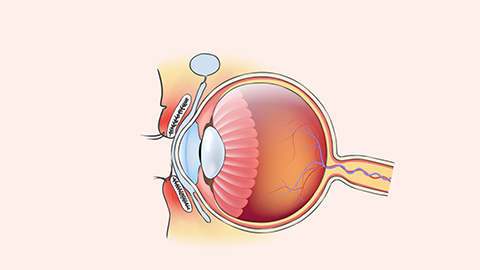
High myopia generally does not cause astigmatism. Astigmatism is associated with cylindrical refractive error, whereas myopia is a spherical refractive error; these two conditions do not influence each other directly. Acquired astigmatism is primarily linked to excessive eye strain—especially from prolonged near-vision tasks—which can readily induce astigmatism. However, in some individuals with high myopia, the elongated, oval-shaped eyeball may alter the regular curvature of the cornea, thereby contributing to the development of astigmatism.
Adopting healthy visual habits is the most effective way to prevent myopia. First, maintain proper posture. During work or study, choose an ergonomically appropriate and comfortable sitting position, and position the center of your computer screen or book at approximately chest level. Keep your eyes 40 cm away from the screen or book, and use an adjustable-height chair whenever possible. Blink frequently during use, or close your eyes periodically for brief rest. Second, balance work with rest. After approximately 40–50 minutes of continuous near work, take a 10-minute break—ideally by going outdoors for physical activity involving the whole body.

Finally, emphasize ocular hygiene—particularly for children—and guide them in developing sound hygiene habits. We hope this information proves helpful.





