


How severe is myopia—how many diopters?
Jun 29, 2022
Source: Cainiu Health

Dr. Chen You
Introduction
Myopia exceeding 600 diopters is considered a severe condition. Myopic patients are categorized as having mild, moderate, or high myopia based on the degree of refractive error. For example, myopia under 300 diopters is classified as mild (or low) myopia; 300–600 diopters is termed moderate myopia; and myopia above 600 diopters is defined as high myopia. The higher the diopter value, the more severe the condition—because greater refractive error correlates with increased risk of ocular complications.
In recent years, myopia has increasingly developed at younger ages. Myopia causes significant inconvenience for affected individuals and impacts their physical appearance. So, how severe is myopia—and at what degree does it become serious?
At what degree does myopia become severe?
Myopia exceeding 600 diopters (D) is considered severe. Patients with myopia are generally categorized as having mild, moderate, or severe (high) myopia based on refractive error. For instance, myopia under 300 D is classified as mild (or low) myopia; 300–600 D is termed moderate myopia; and myopia above 600 D is defined as high myopia. Higher degrees of myopia correlate with greater severity—because increased refractive error leads to progressively poorer visual acuity and more pronounced refractive abnormalities.
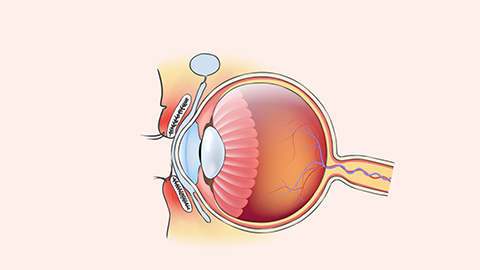
Moreover, the most serious concern associated with high myopia is not only the elevated refractive error but also the increased risk of posterior segment (fundus) pathology. For example, due to excessive thinning and fragility of the retina, patients may be prone to fundus hemorrhage, retinal tears, retinal detachment, or retinoschisis. These conditions can severely impair vision and lead to suboptimal visual outcomes. In some cases, if extensive retinal detachment occurs and cannot be successfully reattached, there is a risk of permanent blindness. Therefore, controlling myopia progression—especially preventing its development into high myopia—is critical to safeguarding long-term ocular health.

If symptoms suggestive of ocular disease appear in daily life, prompt medical evaluation and diagnosis are essential. Be sure to cooperate fully with your ophthalmologist during examinations. We hope this information proves helpful to you.





