


What happens if you have intercourse right after your period ends?
Jul 06, 2022
Source: Cainiu Health

Dr. Chen Zhe
Introduction
It is best to avoid sexual intercourse immediately after menstruation ends, as it may lead to acute endometritis. This is primarily because the cervical os may not be fully closed and the endometrial surface wounds may not yet be completely healed, increasing the risk of pathogen invasion and infection. Additionally, it may trigger recurrent bleeding and cause symptoms such as abdominal pain and lower back pain. It may also lead to pelvic inflammatory disease (PID), thereby increasing a woman’s risk of ectopic pregnancy.
Modern life is highly stressful, and many young people prefer to delay childbearing. Sometimes, the “safe period” method of contraception is inaccurately calculated, leading couples to engage in intercourse immediately after menstruation ends. So, what happens if intercourse occurs right after menstruation?
What happens if intercourse occurs right after menstruation?
It is generally advisable to avoid intercourse immediately following the end of menstruation. Doing so may lead to acute endometritis. At this time, the cervical os remains incompletely closed, and the endometrial surface—still healing from shedding—has not fully regenerated, increasing susceptibility to pathogen invasion and infection. Additionally, re-bleeding may occur, potentially causing lower abdominal pain and low back pain.
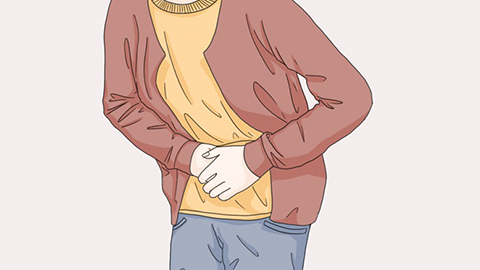
If intercourse occurs immediately after menstruation, large numbers of bacteria may be introduced into the fallopian tubes. Bacterial proliferation within the tubes can trigger salpingitis: mild cases may result in tubal adhesions, while severe cases may progress to tubal occlusion—potentially leading to infertility. Pelvic inflammatory disease (PID) may also develop, increasing the risk of ectopic pregnancy. Therefore, women are advised to wait at least three days after menstruation ends before resuming intercourse, to reduce risks of vaginitis and endometritis, as well as complications such as prolonged or irregular menstrual bleeding and dysmenorrhea. Furthermore, during the immediate post-menstrual period, women should avoid sitz baths, strenuous physical activity, and excessive consumption of cold, spicy, or otherwise irritating foods. Prior to and after intercourse, both partners should thoroughly cleanse their external genitalia to prevent infection. If pregnancy is not desired, appropriate contraception must be used.

Additionally, wear only 100% cotton undergarments, maintain cleanliness and dryness of the external genitalia, and change underwear daily. We hope this information proves helpful!



