


Causes of Springtime Skin Allergies
Jul 15, 2022
Source: Cainiu Health

Dr. Liu Wan
Introduction
Springtime skin allergies primarily occur due to the seasonal revival of nature—plants begin sprouting, and microorganisms and pollen start appearing. Due to individual physiological differences, exposure to pollen and microorganisms can trigger allergic reactions such as skin itching and sneezing. Spring represents the peak season for such allergen-induced allergies. Additionally, the frequent fluctuations between cold and warm temperatures, increased ultraviolet radiation, and wind are also common environmental triggers for skin allergies.
Springtime skin allergies are a relatively common dermatological condition, typically presenting with pruritus (itching) and erythema (redness) and swelling. These symptoms can occur on any area of the skin surface. So, what causes springtime skin allergies?
Causes of Springtime Skin Allergies
Springtime skin allergies primarily result from the seasonal revival of nature—plants begin sprouting, and microorganisms and pollen become increasingly prevalent. Due to individual constitutional susceptibility, exposure to pollen and microorganisms may trigger allergic reactions such as skin itching and sneezing. Spring represents the peak season for such allergen-induced reactions. Additionally, fluctuating temperatures, increased ultraviolet (UV) radiation, and wind exposure during spring are also common environmental triggers for skin allergies.
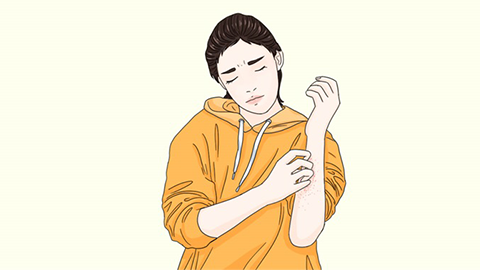
Atopy (a genetic predisposition to allergic diseases) is another major contributing factor to springtime skin allergies. Atopic constitution refers to a specific physiological makeup established on the basis of inherited genetic traits. Under the influence of external factors, individuals with this constitution exhibit diminished physiological function and self-regulatory capacity, alongside heightened reactivity. This heightened sensitivity manifests as increased affinity for and responsiveness to various allergens, resulting in inter-individual variations in constitution and a familial clustering tendency. Constitutional factors are closely associated with allergic disorders. Externally, individuals with atopy appear no different from the general population, making clinical identification challenging.

Skin allergies commonly cause itching and a burning sensation. Prompt medical consultation is recommended, and treatment with levocetirizine hydrochloride capsules—under physician guidance—is often prescribed for symptom relief. For children, loratadine granules may be administered. We hope this information proves helpful!





