


Differences Between Gastric Ulcers and Gastric Erosions
Aug 02, 2022
Source: Cainiu Health

Dr. Zhao Haiming
Introduction
In general, gastric ulcers are more severe than gastric erosions. A gastric ulcer refers to an ulcer—accompanied by surrounding erythema and edema—on the gastric mucosa, often associated with bleeding that may be massive and with severe pain. Duodenal bulb ulcers, in particular, carry a higher risk of perforation. Erosive gastritis denotes superficial mucosal erosion of the stomach, primarily triggered by dietary irritants. Prolonged gastric erosion may progress to gastric ulceration.
The primary distinction between gastric ulcers and gastric erosions lies in disease severity—specifically, the depth of the lesion. The normal gastric wall consists of five layers. If the lesion is confined to the mucosal layer alone, it is termed an erosion. If it extends into the muscularis mucosae, submucosal layer, or even penetrates the entire gastric wall, it is classified as an ulcer. So, what exactly differentiates gastric ulcers from gastric erosions?
Differences Between Gastric Ulcers and Gastric Erosions
Generally speaking, gastric ulcers are more severe than gastric erosions. A gastric ulcer refers to a localized defect in the gastric mucosa, accompanied by surrounding erythema, edema, and often bleeding; it may cause massive hemorrhage and severe pain. Duodenal bulb ulcers, in particular, carry a higher risk of perforation. In contrast, erosive gastritis involves superficial mucosal damage (erosions) primarily triggered by dietary irritants. Over time, chronic gastric erosion may progress to a gastric ulcer. Diagnosis is typically confirmed via gastroscopy. Although both conditions represent inflammatory lesions of the gastric mucosa, their severity differs markedly: erosive gastritis—compared with superficial gastritis—involves only mucosal injury, whereas gastric ulcers represent full-thickness mucosal defects, potentially extending into the muscular layer or even resulting in perforation.
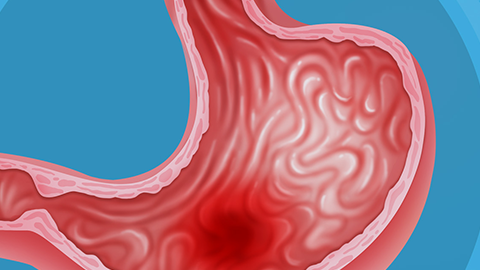
The key distinction between gastric ulcers and gastric erosions lies in the depth of mucosal base defect. Erosions are commonly caused by multiple factors—including excessive gastric acid secretion and Helicobacter pylori infection—whereas gastric ulcers represent a more advanced and severe stage of disease. Effective management requires prompt symptom relief, targeted pharmacotherapy, and diligent attention to gastric warmth in daily life.

Active treatment is essential for both erosive gastritis and gastric ulcers to prevent disease progression. Typically, a triple-therapy regimen—including lansoprazole, amoxicillin, and colloidal bismuth pectin—may be prescribed under physician guidance. Patients should avoid spicy and irritating foods and protect against gastric cold exposure. If symptoms persist over an extended period, a hospital evaluation is strongly recommended to assess disease severity.







