


What should I do if I have high blood pressure and low blood pressure simultaneously?
Aug 02, 2022
Source: Cainiu Health

Dr. Li Man
Introduction
For patients with hypertension characterized by elevated systolic blood pressure and low diastolic blood pressure—particularly when the diastolic pressure is markedly elevated—angiotensin-converting enzyme (ACE) inhibitors or angiotensin II receptor blockers (ARBs) may be selected for treatment. Commonly used ACE inhibitors include fosinopril, benazepril, and perindopril. Common ARBs include irbesartan and losartan.
When a patient has hypertension, a general practitioner typically investigates potential causes by taking a detailed medical history. For example, an unhealthy diet and smoking may contribute to elevated blood pressure. The physician should provide the patient with appropriate guidance. But what should be done when a patient presents with high systolic blood pressure alongside low diastolic blood pressure?
Management of High Systolic and Low Diastolic Blood Pressure
For patients exhibiting high systolic and low diastolic blood pressure—particularly when diastolic pressure is markedly elevated—treatment options include angiotensin-converting enzyme inhibitors (ACEIs) or angiotensin II receptor blockers (ARBs). Commonly prescribed ACEIs include fosinopril, benazepril, and perindopril. Representative ARBs include irbesartan and losartan. If monotherapy proves insufficient, combination therapy may be considered; however, ACEIs and ARBs should never be used concurrently, as they belong to the same pharmacological class and their combined use may adversely affect the body. Calcium channel blockers (CCBs) are frequently employed in combination regimens.
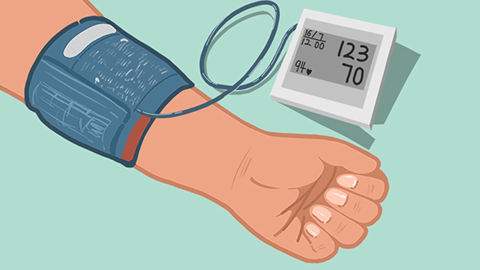
Commonly used CCBs include buxintong, nifedipine sustained-release tablets, lercanidipine, and felodipine. Beta-blockers—such as metoprolol tartrate—may also be selected depending on clinical indications. As individual patient profiles vary significantly, treatment plans must be tailored accordingly. Patients are advised to visit a local public Grade-2 hospital for regular blood pressure monitoring and medication adjustment, which can effectively improve clinical outcomes. Additionally, appropriate lifestyle and dietary modifications are essential to help reduce disease incidence.

Patients are advised to ensure adequate rest, avoid excessive fatigue, and maintain a balanced diet. They should consume nutrient-rich, easily digestible foods low in residue and non-irritating, drink sufficient water, abstain from alcohol, and avoid seafood such as shrimp and crab. We hope this information proves helpful.




