


What Should Stroke Patients Avoid Eating?
Aug 03, 2022
Source: Cainiu Health

Dr. He Haochen
Introduction
Stroke, also known as cerebrovascular accident (CVA), is primarily divided into three phases: onset, treatment, and recovery. Patients must observe different dietary restrictions during each phase. During the acute (onset) phase, patients commonly experience dysphagia, nausea, vomiting, and other discomforts. At this time, they should avoid large or hard foods—such as nuts. Nasogastric tube feeding with liquid diets is necessary to ensure adequate nutritional support.
Some individuals are born with inherently weak constitutions, making them relatively more susceptible to illness. In daily life, they are also at higher risk of stroke. Stroke—a condition commonly affecting middle-aged and elderly individuals—can cause severe harm to the body. Complications such as paralysis frequently occur, posing a serious threat to life; prompt intervention is therefore essential. So, what foods should stroke patients avoid?
Foods to Avoid After a Stroke
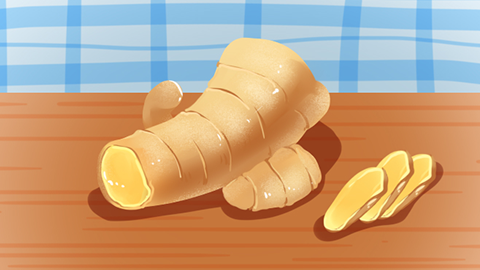
Stroke—also known as cerebrovascular accident (CVA)—is generally divided into three phases: onset, treatment, and recovery. Dietary restrictions vary across these stages. During the acute phase, patients often experience dysphagia (difficulty swallowing), nausea, vomiting, and other discomforts. At this time, they should avoid large or hard foods—such as nuts—and instead receive nutrition via nasogastric tube feeding with liquid diets (e.g., tomato juice, milk, or infant formula) to ensure adequate nutrient intake. During the treatment phase, patients should avoid pungent, stimulating foods—including ginger, garlic, black pepper, white pepper, mustard, and scallions—as these may irritate the gastric mucosa and interfere with drug efficacy.
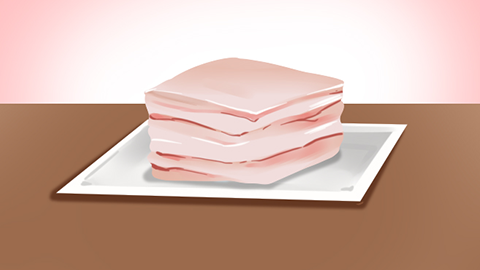
Additionally, patients should avoid fatty meats, fried foods, organ meats (e.g., liver, kidney), and pickled or cured foods, as these may overburden multiple organs and even trigger recurrent episodes. During the recovery phase, stroke patients should strictly abstain from alcohol, which can adversely stimulate cerebral blood vessels and increase the risk of recurrence. Patients with underlying conditions such as hyperlipidemia, hypertension, or diabetes must further limit intake of high-fat, high-carbohydrate, and high-sodium foods to reduce the risk of complications and safeguard their health.
Stroke patients should pay close attention to daily dietary habits: adequate protein intake is recommended, along with increased consumption of low-fat, low-cholesterol foods. We hope this information proves helpful to you.






