


What Is the Difference Between Kidney Yin Deficiency and Kidney Yang Deficiency?
Aug 05, 2022
Source: Cainiu Health

Dr. He Haochen
Introduction
The key distinction between Yang deficiency and Yin deficiency lies in their respective symptoms: individuals with Yang deficiency tend to feel cold and are sensitive to wind, whereas those with Yin deficiency experience heat sensations and are also wind-sensitive. Patients with Yang deficiency often suffer from thirst, avoid cold foods, and cannot tolerate cold beverages; drinking cold water may trigger abdominal pain and diarrhea. In contrast, individuals with Yin deficiency commonly experience dry mouth and dry throat, prefer cold drinks, and feel relieved after consuming them. Therapeutically, treatment for Yin deficiency primarily focuses on nourishing Yin. Yang deficiency typically manifests as aversion to cold and weakness in the lower back and knees.
Yin deficiency and yang deficiency are common syndromes in Traditional Chinese Medicine (TCM), yet most people lack a clear understanding of them—and particularly of the differences between the two. Although yin and yang deficiencies often do not produce overt or pronounced symptoms, they can severely compromise physical health and progressively weaken one’s constitution. So, what distinguishes kidney yin deficiency from kidney yang deficiency?
What Are the Differences Between Kidney Yin Deficiency and Kidney Yang Deficiency?
The primary distinction lies in thermal sensitivity: individuals with yang deficiency tend to feel cold and sensitive to wind, whereas those with yin deficiency experience heat intolerance and wind sensitivity. People with yang deficiency often suffer from thirst but avoid cold foods and beverages; consuming cold drinks may trigger abdominal pain or diarrhea. In contrast, those with yin deficiency commonly experience dry mouth and throat, prefer cold beverages, and feel relieved after drinking them. Therapeutically, yin deficiency is primarily addressed through nourishing yin. Yang deficiency typically manifests as cold intolerance and weakness or soreness in the lower back and knees.

Yang deficiency differs fundamentally from yin deficiency. Yang deficiency results from insufficient yang qi, leading to diminished organ function and manifestations of internal cold deficiency. Yin deficiency, by contrast, arises from inadequate yin fluids—failing to moisten and nourish the body—and commonly presents with low-grade fever, heat sensations in the palms and soles, afternoon tidal fever, night sweats, irritability, insomnia, dizziness, tinnitus, and a red tongue. Individuals with yang deficiency frequently feel coldness in their hands, feet, and abdomen—especially during autumn and winter.
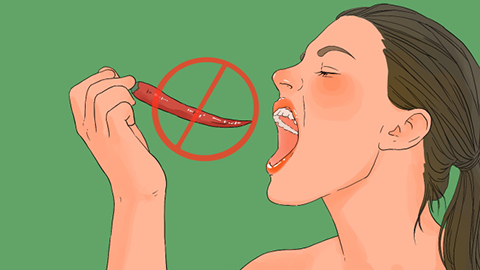
In daily life, patients should maintain a light, balanced diet, avoid overeating or irregular meals, and limit intake of greasy foods. Spicy and stimulating foods should be avoided, and smoking and alcohol consumption should be discontinued. We hope this information proves helpful to you.


