


How to Regulate Kidney Yang Deficiency
Aug 05, 2022
Source: Cainiu Health

Dr. He Haochen
Introduction
Management of Kidney Yang Deficiency Syndrome involves both lifestyle modifications and pharmacological interventions. First, patients should rest adequately in daily life, improve unhealthy lifestyle habits, maintain warmth—especially during winter—and drink warm water regularly. Pharmacological treatment includes both proprietary Chinese medicines and herbal decoctions. Proprietary Chinese medicines commonly used for this syndrome are those that warm the kidneys and reinforce Yang, such as Jinkui Shenqi Wan and Yougui Wan.
Traditional Chinese medicine (TCM) theory is profound and extensive. In classical TCM, “Yang deficiency” generally refers to Qi deficiency, and the human body emphasizes balance between Yin and Yang. A deficiency in Yang inevitably disrupts this Yin-Yang equilibrium, leading to various health problems. Kidney Yang deficiency is a common condition encountered in daily life, predominantly affecting middle-aged and elderly individuals. So how should one manage or treat Kidney Yang deficiency?
How to Manage Kidney Yang Deficiency
Management of Kidney Yang deficiency involves both lifestyle modifications and pharmacological interventions. First, patients should prioritize rest and eliminate unhealthy habits—such as staying warm, drinking warm water regularly (especially during winter), and avoiding exposure to cold. Pharmacological treatment includes both proprietary Chinese medicines and herbal decoctions. Proprietary medicines commonly used are those that warm the kidneys and reinforce Yang, such as Jin Kui Shen Qi Wan (Jin Kui Kidney Qi Pill) and You Gui Wan (Right-Returning Pill). Herbal decoctions are custom-prescribed, boiled, and taken orally to tonify the kidneys and strengthen Yang; commonly used herbs include Epimedium (Yin Yang Huo), Morinda Root (Ba Ji Tian), and Gypsum Fibrosum (Yang Qi Shi).
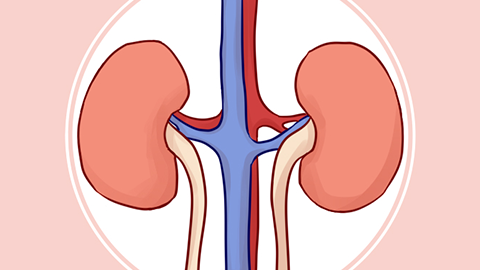
Kidney Yang deficiency is a TCM diagnostic term describing a syndrome characterized by insufficient Kidney Yang. Typical symptoms include lumbago and weakness in the knees and legs, aversion to cold, cold limbs (particularly in the lower extremities), dizziness, pallor or dull complexion, a pale, swollen, and flabby tongue with a white coating, and a deep, weak pulse. Female patients may experience infertility due to “cold uterus.” Severe manifestations may include diarrhea, abdominal pain, palpitations, coughing, and asthma—indicating a serious threat to overall health.

Patients should also pay attention to dietary control—avoiding greasy and spicy foods. A comprehensive, multi-faceted approach—including lifestyle adjustments, herbal therapy, and dietary management—can significantly improve treatment outcomes and accelerate recovery. We hope this information proves helpful to you.


