


Symptoms of Low Blood Pressure During Pregnancy
Aug 05, 2022
Source: Cainiu Health

Dr. Li Man
Introduction
When pregnant women experience hypotension, the primary symptoms include dizziness, chest tightness, fatigue, tachycardia, and pallor. Hypotension during pregnancy is common among women with relatively weak constitutions. After conception, pregnant women are prone to anemia, which can also contribute to hypotension. Maternal hypotension may lead to fetal hypoxia and increased fetal movement. The main cause of orthostatic hypotension is uterine compression of maternal structures during sleep.
Many individuals suffer from hypotension due to malnutrition. In fact, if hypotension is severe, it can significantly impair a patient’s daily life and academic performance—and it is also highly detrimental to work productivity. Therefore, prompt treatment is essential upon diagnosis of hypotension, as numerous factors can cause this condition. So, what are the symptoms of hypotension during pregnancy?
Symptoms of Hypotension During Pregnancy
When pregnant women develop hypotension, the primary symptoms include dizziness, chest tightness, fatigue, tachycardia (rapid pulse), and pallor. Hypotension in pregnancy is relatively common among women with weaker constitutions. Moreover, anemia frequently develops during pregnancy, which may further contribute to hypotension. Maternal hypotension can lead to fetal hypoxia and increased fetal movement. Orthostatic hypotension—particularly prevalent during pregnancy—is mainly caused by uterine compression of major blood vessels while lying supine during sleep, resulting in reduced circulating blood volume. This may trigger symptoms such as nausea, dizziness, fatigue, and shortness of breath.
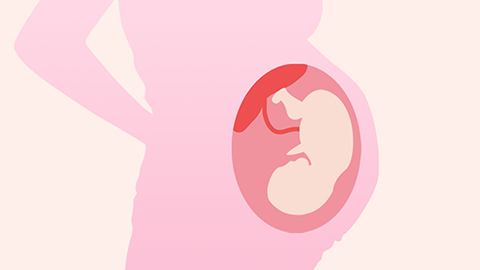
In general, hypotension in pregnant women is predominantly orthostatic in nature. As gestational age advances, an increasing number of pregnant women find it difficult to maintain optimal sleeping positions, potentially leading to supine hypotensive syndrome. Clinically, women in later stages of pregnancy are advised to adopt comfortable postures—for instance, sleeping on the left side. To prevent orthostatic hypotension, pregnant women may place U-shaped or C-shaped pillows under the right waist to facilitate proper positioning.
In daily life, attention should be paid to improving nutritional intake and engaging in appropriate physical exercise to enhance neurohumoral regulatory capacity. We hope this information proves helpful to you.








