


Can I eat oranges when I have tonsillitis?
Aug 09, 2022
Source: Cainiu Health

Dr. Xu Gang
Introduction
Individuals with tonsillitis can eat oranges. Oranges are rich in vitamin C, which possesses certain anti-inflammatory and fever-reducing properties beneficial for managing tonsillitis. Specifically, vitamin C helps maintain hydration, enhances the body’s immune function and resistance to disease, and alleviates symptoms commonly associated with tonsillitis—such as sore throat, dry throat, and fever.
During dry seasons, many people who dislike drinking water may experience “internal heat” (a traditional Chinese medicine concept referring to inflammatory symptoms), sore throat, and even severe tonsillitis. Certain fruits can benefit individuals with tonsillitis. So, can patients with tonsillitis eat oranges?
Can patients with tonsillitis eat oranges?
Yes, patients with tonsillitis can eat oranges. Oranges are rich in vitamin C, which possesses anti-inflammatory and “heat-clearing” properties beneficial for managing tonsillitis. Vitamin C, in particular, helps maintain hydration, enhances immune function and disease resistance, and alleviates common symptoms of tonsillitis—including sore throat, dryness of the throat, and fever—while also improving the patient’s mental state and mood. Therefore, it is advisable to encourage tonsillitis patients to consume mild or cooling fruits such as oranges, apples, and pears.
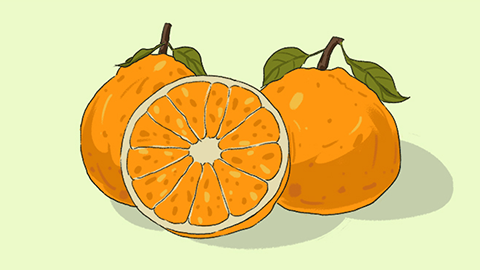
Eating steamed oranges generally does not adversely affect tonsillitis. They can be consumed normally. However, cooking increases acidity; thus, the acidic juice from steamed oranges may irritate the tonsils upon ingestion, causing a stinging or prickling sensation. In such cases, it is recommended to avoid consuming large quantities of steamed oranges. Alternatively, drinking an appropriate amount of water after eating steamed oranges can help rinse away residual acidic juice from the throat.

Patients with tonsillitis should consume ample fresh vegetables and fruits to supplement vitamins and enhance overall nutritional intake. We hope this information proves helpful to you.






