


How long does the tuberculosis vaccine provide protection?
Aug 10, 2022
Source: Cainiu Health

Dr. Guo Xiheng
Introduction
The duration of protection conferred by the tuberculosis vaccine should be determined based on each patient’s individual health status. Since the tuberculosis vaccine—also known as the Bacillus Calmette-Guérin (BCG) vaccine—offers only moderate efficacy, its preventive effect is not particularly robust. With an estimated protective efficacy of approximately 60–70%, many vaccinated individuals still become infected. Consequently, it is difficult to define a precise duration of protection following BCG vaccination in tuberculosis patients.
Tuberculosis (TB) is highly prevalent and poses significant health risks; therefore, children receive the TB vaccine at various ages. Also known as the Bacillus Calmette-Guérin (BCG) vaccine, it is a live, attenuated bacterial vaccine designed to prevent TB infection. How long does the BCG vaccine provide protection?
How Long Does the BCG Vaccine Provide Protection?
The duration of protection conferred by the BCG vaccine varies depending on an individual’s immune status. As the BCG vaccine offers only moderate efficacy—approximately 60–70%—many vaccinated individuals remain susceptible to TB infection. Consequently, it is difficult to determine a precise duration of protection following BCG vaccination. For instance, if a person experiences a rapid decline in immune function, infection may occur within days, weeks, months, or even up to one year after vaccination. Conversely, in individuals with robust health and strong immunity, protective effects may persist for over 10 years—and in some cases, up to approximately 20 years.
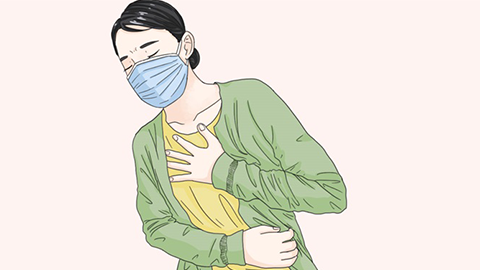
Pulmonary tuberculosis is a contagious lung disease caused by Mycobacterium tuberculosis. When treating TB, adherence to anti-tubercular medications is critical, following the principles of regularity, combination therapy, appropriate dosage, and full-course treatment. Additionally, routine monitoring of complete blood count and liver and kidney function is essential to detect and mitigate potential drug-related adverse effects.

In daily life, maintain a balanced and disciplined diet—avoid spicy, irritating, or overly rich foods, and refrain from binge eating or staying up late. We hope this information proves helpful.




