


Can a knee sprain cause synovitis?
Aug 11, 2022
Source: Cainiu Health

Dr. Lin Yunfei
Introduction
Knee sprains can cause synovitis. Most patients with synovitis have engaged in intense physical activity early on, and joint discomfort becomes particularly noticeable after exercise. The primary symptoms include dull or swelling-related pain; however, these symptoms typically do not interfere with normal daily activities or sleep. Joint pain is also prominent. Following a synovitis flare-up, local tissue swelling occurs, accompanied by only a small amount of exudate. Due to fluid accumulation, mild swelling develops in the affected joint.
Synovitis is a common condition, most frequently affecting the knee joint—the site with the greatest amount of synovial membrane in the human body—and thus the most susceptible location for synovitis. Knee joint synovitis is the most prevalent form; the knee is a critical synovial joint, and the synovial membrane constitutes the largest and most complex component of the articular surface. Can a knee sprain cause synovitis?
Can a knee sprain cause synovitis?
Yes, a knee sprain can indeed trigger synovitis. Most patients with synovitis have a history of vigorous physical activity in the early stages. Following exercise, joint discomfort becomes notably apparent, typically manifesting as dull or swelling-related pain—though it generally does not interfere with normal daily activities or sleep. Joint pain is also prominent: following a synovitis flare-up, localized tissue swelling occurs, accompanied by only a small amount of exudate. Accumulation of fluid leads to mild joint swelling, thereby impairing normal mobility. In the early phase of synovitis, patients experience mild localized joint pain, often described as sharp or stabbing.
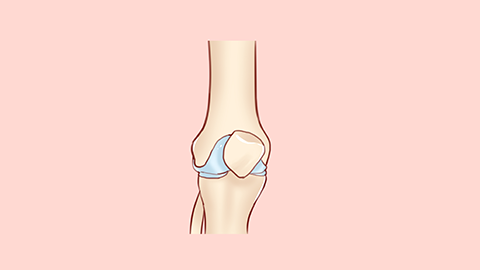
If symptoms of synovitis are relatively mild, topical treatment may be employed—primarily using medicated plasters. These plasters contain traditional Chinese herbal ingredients such as musk, achyranthes root (Niuxi), and safflower (Honghua), which effectively reduce joint inflammation, enhance local blood circulation, and alleviate joint congestion. Alternatively, patients may consume certain therapeutic porridges—particularly red bean porridge and Job’s tears (coix seed) porridge—which help dispel internal coldness.
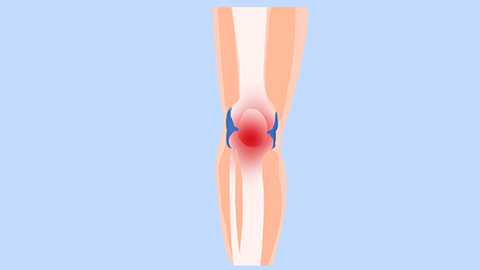
In daily life, patients should maintain a positive attitude, actively cooperate with their physicians’ treatment plans, take prescribed medications on time and in the correct dosage, and pay close attention to routine self-care—thereby facilitating prompt recovery. We hope this response proves helpful to you.






