


Nursing Interventions for Ascites in Liver Cirrhosis
Aug 15, 2022
Source: Cainiu Health

Dr. Zhao Haiming
Introduction
Nursing measures for ascites in liver cirrhosis include attention to diet, meticulous recording of urine output and body weight, and skin care. Sodium intake—particularly salt—must be strictly restricted, especially in cases of large-volume ascites. Daily sodium chloride intake should be less than 2 g; fluid intake may also need to be restricted when necessary. The diet should be light and bland, with complete abstinence from alcohol. Protein intake should be adjusted according to liver function status, and a residue-free diet is recommended to prevent gastrointestinal bleeding.
In real life, an increasing number of people are diagnosed with cirrhosis—a serious chronic liver disease that causes substantial damage to the liver. If left uncontrolled, the condition may progress further, and ascites (abdominal fluid accumulation) may develop in the advanced stages. What nursing measures are recommended for cirrhotic ascites?
Nursing Measures for Cirrhotic Ascites
Nursing care for cirrhotic ascites focuses on dietary management, meticulous documentation of urine output and body weight, and skin care. Sodium intake must be strictly limited—especially when large-volume ascites is present. Daily sodium chloride intake should be less than 2 g; in some cases, fluid intake may also require restriction. The diet should be light and bland, with complete abstinence from alcohol. Protein intake should be adjusted according to liver function status; a residue-free diet is recommended to prevent gastrointestinal bleeding. Accurate daily records of urine output, body weight, and abdominal girth are essential for guiding therapeutic adjustments. Special attention must be paid to skin care—particularly in patients with large-volume ascites and umbilical hernia. Soft, non-irritating clothing is advised to minimize friction-induced skin ulceration and impaired wound healing. Constipation must be prevented by ensuring regular bowel movements; oral lactulose and probiotics may be administered to reduce the risk of hepatic encephalopathy.
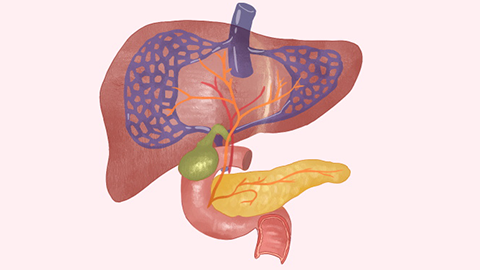
Cirrhosis is a severe chronic liver disease, and ascites is one of its most common complications. The onset of ascites in a patient with cirrhosis signifies progression to decompensated (advanced) cirrhosis. At this stage, active treatment—including anti-inflammatory therapy—is crucial to protect remaining liver function. Hepatoprotective and antifibrotic agents such as ademetionine (S-adenosylmethionine) and Fuzheng Huayu capsules may be considered. Ascites formation is primarily driven by hypoalbuminemia; therefore, intravenous albumin supplementation is often required to correct low serum albumin levels.

Patients must strictly abstain from alcohol—and avoid all foods or beverages containing alcohol. We hope this information proves helpful to you.



