


Should you drink hot water or cold water for tonsillitis?
Aug 24, 2022
Source: Cainiu Health

Dr. Xu Gang
Introduction
Patients with tonsillitis should drink lukewarm water. Drinking hot water may exacerbate tonsillar inflammation, while cold water can irritate the stomach—especially in febrile patients—leading to gastric discomfort. Therefore, patients are advised to drink warm boiled water to maintain adequate hydration. During tonsillitis, patients commonly develop high fever (approximately 39–40°C), severe sore throat, and marked pain upon swallowing.
Tonsillitis is a very common condition encountered in daily life. It is often associated with inadequate physical activity and general physical weakness. Tonsillitis can be treated either medically or surgically; however, numerous therapeutic approaches are available for its management. So, when suffering from tonsillitis, should one drink hot water or cold water?
Hot Water or Cold Water for Tonsillitis?
Patients with tonsillitis should drink warm water. Drinking hot water may exacerbate the inflammation of the tonsils, while cold water may irritate the stomach—especially in febrile patients—leading to gastric discomfort. Therefore, it is recommended that patients consume lukewarm boiled water to maintain adequate hydration. During acute tonsillitis, patients commonly develop high fever (approximately 39–40°C), severe sore throat, and marked pain upon swallowing. In some cases, significant swelling of the tonsils themselves occurs, resulting in pharyngeal obstruction and dysphagia. If body temperature exceeds 38.5°C, physical cooling measures or antipyretic medications should be administered. Patients should also increase their intake of lukewarm water and receive anti-inflammatory therapy. Corticosteroids may be delivered locally via nebulized inhalation; alternatively, lozenges and mouthwashes may be used. With appropriate treatment over seven to ten days, inflammation typically subsides gradually, and symptoms such as fever and sore throat progressively improve and resolve.

A small number of patients may experience persistent high fever unresponsive to medication, accompanied by trismus (difficulty opening the mouth) and worsening sore throat. In such cases, immediate re-evaluation at a hospital is essential. These patients may have developed complications of tonsillitis, such as peritonsillar cellulitis or peritonsillar abscess. Clinical examination may reveal deviation of the affected tonsil toward the contralateral side, along with visible fluctuant swelling in the peritonsillar region. Surgical incision and drainage are required to fully evacuate the peritonsillar abscess, followed by administration of adequate antibiotic therapy. After complete resolution of inflammation, tonsillectomy may be scheduled two to three weeks later.
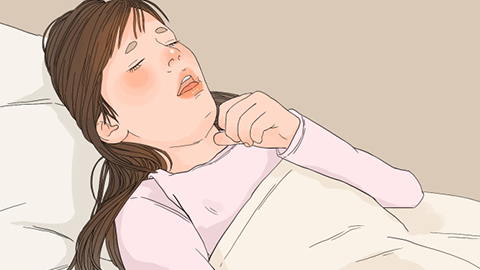
When symptoms of tonsillitis appear, prompt medical evaluation and treatment are crucial to prevent progression to more serious complications. We hope this information has been helpful. Wishing you good health and happiness!




