


Why do I feel nauseous as soon as I drink water?
Aug 24, 2022
Source: Cainiu Health

Dr. Zhao Haiming
Introduction
Nausea immediately after drinking water may be caused by the low temperature of the water. This is primarily because excessively cold water can irritate the gastric mucosa, leading to mucosal contraction and subsequent vomiting. Additionally, patients with certain conditions—such as gastric disorders, esophageal space-occupying lesions, or intestinal obstruction—may also experience vomiting after ingesting fluids or food.
Many young people today pay little attention to their dietary habits—either overeating or skipping meals entirely, and eating at irregular times. Such behaviors easily lead to chronic gastritis, often accompanied by uncomfortable symptoms such as abdominal distension and gastric pain. In severe cases, even drinking a glass of water can cause significant gastric discomfort. So, what causes nausea immediately after drinking water?
What Causes Nausea Immediately After Drinking Water?
Nausea following water intake may result from consuming water that is too cold. Extremely low water temperature can irritate the gastric mucosa, triggering mucosal contraction and subsequent nausea or vomiting. Additionally, patients with underlying gastrointestinal disorders—such as gastritis, esophageal space-occupying lesions, or intestinal obstruction—may also experience vomiting after ingesting fluids or food. Early pregnancy is another common cause: hormonal fluctuations during this period can induce nausea or vomiting after drinking water, often accompanied by loss of appetite, nausea, and fatigue. If nausea consistently occurs after drinking water, it is advisable to seek prompt medical evaluation to rule out organic disease and identify the underlying cause.
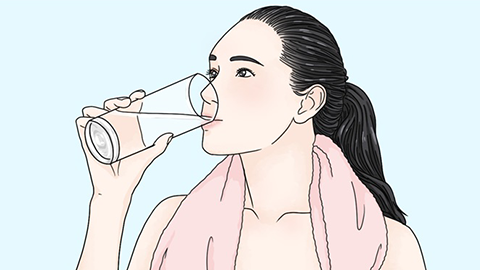
To manage nausea triggered by water intake, avoid drinking cold water, as it may further irritate the gastrointestinal mucosa and exacerbate symptoms. Secondly, prioritize easily digestible foods, which can help alleviate nausea caused by gastrointestinal spasm or functional dysregulation. Traditional Chinese medicine (TCM) approaches—including abdominal massage, moxibustion, and cupping—may also be employed to regulate gastrointestinal function, enhance digestion and absorption, and prevent progression of gastric disease. Psychological self-regulation is equally important: in some cases, nausea upon drinking water stems from psychological or psychosomatic factors; timely counseling often leads to marked symptom improvement. Moreover, if symptoms such as acid reflux, nausea, or abdominal pain arise from identifiable pathological conditions, systematic treatment under medical supervision is essential. Self-medication should be avoided, as it may mask symptoms and delay appropriate diagnosis and management.

Patients experiencing nausea immediately after drinking water should seek timely medical evaluation and treatment to prevent disease progression. We hope this information proves helpful.







