


What are the symptoms of mumps?
Aug 24, 2022
Source: Cainiu Health

Dr. Zhang Liwen
Introduction
Mumps is characterized by symptoms such as fever, parotid gland swelling, and edema. Since mumps has an incubation period, patients often experience a sudden onset of fever when the disease manifests. Typically, additional symptoms—including headache and sore throat—may also occur. Swelling and pain in the parotid glands are common, and body temperature frequently rises to as high as 39°C.
Mumps is transmitted via respiratory droplets; therefore, individuals may become infected upon contact with a mumps patient. This is why mumps outbreaks commonly occur in schools and other communal settings. Prompt treatment is essential upon diagnosis—particularly for males—as delayed management may adversely affect future fertility. What are the symptoms of mumps?
Symptoms of Mumps
Mumps typically presents with fever, swelling of the parotid glands, and edema. Because mumps has an incubation period, onset is often abrupt, with patients frequently developing sudden fever. Additional systemic symptoms commonly include headache and sore throat. Swelling and tenderness of the parotid glands are hallmark features; body temperature often rises to approximately 39°C (102.2°F). Prominent parotid gland swelling remains the most characteristic clinical sign of mumps. Typically, swelling begins near the earlobe and gradually spreads outward, assuming a pear-like shape with indistinct margins.
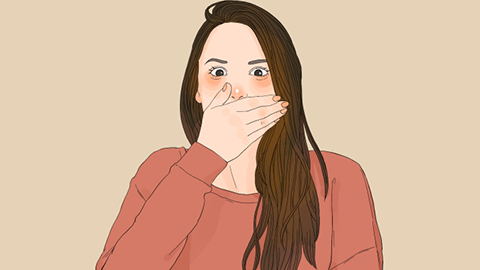
Simultaneously, the overlying skin becomes taut and shiny—but not erythematous—and feels firm yet elastic to palpation, with mild tenderness. Pain intensifies during chewing or speaking due to stimulation of salivary secretion. If left untreated, worsening disease may lead to bilateral facial swelling and even involve the sublingual glands. Untreated mumps can also cause significant edema in other areas—especially the face—resulting in facial distortion and difficulty swallowing.
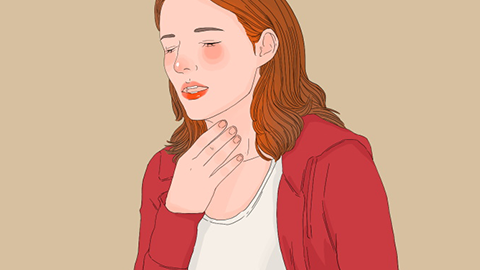
During illness, avoid acidic foods (e.g., vinegar, pickles, oranges, kiwifruit), hard or crunchy foods (e.g., nuts, fried foods), spicy foods (e.g., chili peppers, curry), cold beverages (e.g., ice cream), “heat-inducing” foods such as chicken, seafood, and lamb, as well as strong tea and coffee. We hope this information is helpful.






