


What are the symptoms of mumps?
Dec 03, 2025
Source: Cainiu Health

Dr. Li Feng
Introduction
In general, mumps is an acute respiratory infectious disease caused by the mumps virus. Common symptoms include swelling of the salivary glands, localized pain, fever and chills, difficulty in chewing, and a burning sensation in the parotid region. Once symptoms appear, patients should immediately isolate themselves and rest to avoid spreading the infection to others. Diet should be light and easily digestible, avoiding acidic foods.
Generally, mumps is an acute respiratory infectious disease caused by the mumps virus. Its common symptoms mainly include swelling of the salivary glands, localized pain, fever and chills, difficulty chewing, and a burning sensation in the parotid region. A detailed analysis is as follows:
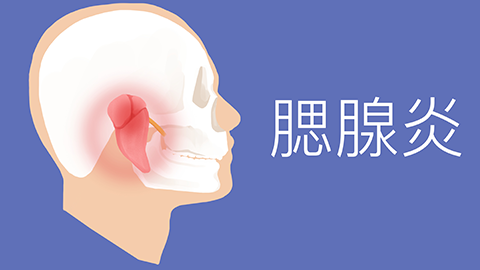
1. Salivary gland swelling: Swelling usually starts in one parotid gland and spreads to the other side within 1 to 4 days. Centered on the earlobe, it expands outward, giving the face a pear-shaped or wedge-shaped appearance. The skin over the swollen area appears taut but not red, with indistinct borders, and feels elastic upon touch.
2. Localized pain: Pain occurs in the swollen salivary gland area, varying in intensity among individuals. Chewing or eating acidic foods increases saliva secretion, which significantly worsens the pain. In some patients, the pain may radiate to the ear or neck.
3. Fever and chills: Patients often experience fever, with body temperature typically ranging from 38°C to 40°C. The fever may last for several days and may be preceded or accompanied by prodromal symptoms such as chills, headache, fatigue, affecting mental status and daily activities.
4. Difficulty chewing: Due to swelling and pain in the parotid glands, mouth opening and chewing movements are restricted. This makes normal chewing difficult during meals, especially when consuming harder foods, often leading to reduced appetite.
5. Burning sensation in the parotid region: Some patients may feel a mild burning sensation in the swollen area. The skin temperature in this region may feel slightly higher than that of surrounding normal skin upon touch, and may also be accompanied by mild itching or discomfort.
After symptoms appear, patients should immediately isolate themselves and rest to avoid spreading the infection. Diet should be light and easily digestible; acidic foods should be avoided. Maintaining good oral hygiene is important, and symptomatic treatment under medical guidance can help relieve symptoms.





