


Does the position of the uterus change?
Aug 24, 2022
Source: Cainiu Health

Dr. Lv Aiming
Introduction
In most cases, the position of the uterus remains unchanged and is fixed. However, following a normal vaginal delivery, the uterus—initially enlarged—must gradually contract to return to its normal size. If the uterus remains in the supine position without positional change, gravity may cause it to shift from an anteverted to a retroverted position. Additionally, uterine position may change in the presence of pelvic inflammatory disease or postoperative pelvic adhesions.
The uterus is a vital component of the female body and consists of the cervix. It plays a crucial role in women’s health—particularly, numerous uterine disorders encountered clinically can significantly impact a woman’s physical well-being. Therefore, maintaining uterine health in daily life is extremely important, as it directly affects female reproductive function. So, can the position of the uterus change?
Can the position of the uterus change?
In most cases, the uterine position remains stable and fixed. However, following vaginal delivery, the uterus—initially enlarged—must gradually contract to return to its normal size. If a woman remains supine for prolonged periods without changing position, gravity may cause the uterus to shift from an anteverted (forward-tilted) to a retroverted (backward-tilted) position. Additionally, pelvic inflammatory disease or postoperative pelvic adhesions can also alter uterine position. For instance, adhesions between the uterus and the anterior abdominal wall may cause anterior flexion, whereas adhesions with the posterior peritoneum may result in posterior flexion. When severe clinical symptoms such as intense abdominal pain occur, surgical intervention may be necessary to release adhesions and restore the uterus to its normal anatomical position, thereby alleviating pain.
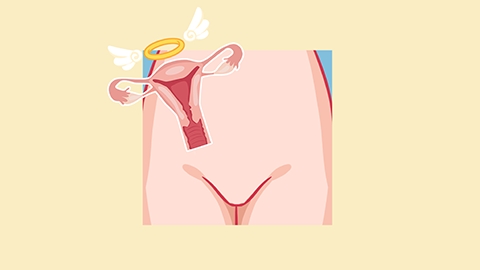
Pregnancy induces significant uterine changes. Under the influence of multiple ligaments, the normal uterus maintains an anteverted and anteflexed position. During pregnancy, these ligaments elongate; during postpartum uterine involution, they become lax. If appropriate postpartum exercise and posture are neglected at this stage, uterine position may easily shift.

In daily life, maintain a regular diet—avoid spicy, irritating foods and overeating, and refrain from staying up late. We hope this information is helpful to you.






