


How to Relieve Menstrual Cramps During Your Period
Aug 24, 2022
Source: Cainiu Health

Dr. Chen Zhe
Introduction
During menstruation, consuming red dates, peach kernels, and apples can help alleviate dysmenorrhea. Red dates are an excellent blood-tonifying remedy. It is recommended that women consume three to four red dates daily, which can effectively improve anemia and help relieve menstrual pain. Although peach kernels have a bitter taste, they lubricate and regulate the intestines and also promote uterine contractions; moderate consumption of peach kernels can effectively alleviate symptoms of dysmenorrhea.
Due to increasing work pressure, irregular lifestyles, and poor dietary habits, many women suffer from dysmenorrhea (painful menstruation). Each menstrual period brings lower abdominal pain; in severe cases, the abdominal pain becomes intense and distressing. At such times, adopting a rational diet can effectively alleviate dysmenorrhea symptoms. So, how can one relieve menstrual pain?
How to Relieve Dysmenorrhea During Menstruation
During menstruation, consuming foods such as red dates, peach kernels, and apples may help ease dysmenorrhea. Red dates are an excellent blood-tonifying food; it is recommended that women consume three to four red dates daily to effectively improve anemia and thereby alleviate menstrual pain. Although peach kernels have a bitter taste, they possess lubricating and soothing effects on the intestines and can also promote uterine contractions—moderate consumption of peach kernels may thus effectively relieve dysmenorrhea. Pectin and carbohydrates in apples help regulate blood lipid levels and dilate blood vessels. Therefore, stewing apples with red wine during menstruation can enhance blood circulation and resolve blood stasis, thereby alleviating dysmenorrhea. Brown sugar not only replenishes blood but also dispels cold and warms the body. Drinking an appropriate amount of brown sugar water during menstruation helps warm the body and accelerate blood circulation, thus relieving menstrual pain. Beef is rich in iron and high-quality protein; moderate beef consumption during menstruation not only helps alleviate dysmenorrhea but also replenishes essential nutrients.
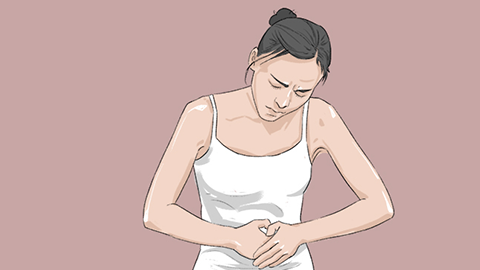
For primary dysmenorrhea, patients are advised to relax, reduce tension and anxiety, and ensure adequate rest and sleep. If pain becomes unbearable, oral ibuprofen may be taken for symptomatic pain relief. For secondary dysmenorrhea, the underlying cause must be identified. Since secondary dysmenorrhea is commonly caused by organic pelvic pathologies—such as endometriosis, adenomyosis, or pelvic inflammatory disease—treatment should target the root cause; in some cases, surgical intervention may even be necessary.

It is recommended to increase intake of mineral- and protein-rich foods, including soy products, dairy products, and meats—common examples include black beans, soybeans, milk, beef, and pork. We hope this information proves helpful to you.



