


What is cerebral arteriosclerosis?
Aug 24, 2022
Source: Cainiu Health

Dr. Li Man
Introduction
Cerebral arteriosclerosis refers to the chronic proliferation, degeneration, and hardening of blood vessels, ultimately leading to intimal thickening, atherosclerosis, and plaque formation—resulting in vascular stenosis or occlusion, and even cerebral infarction. Most cases of cerebral arteriosclerosis occur in elderly individuals over 60 years of age, representing a natural manifestation of aging. Systemic arteriosclerosis may be entirely asymptomatic.
Cerebral arteriosclerosis primarily affects elderly individuals. If left untreated, it can easily lead to cerebral infarction or even cerebral atrophy. Some patients may develop neurasthenia and arteriosclerotic dementia. This condition typically occurs in middle-aged and older men over 40 years of age. But what exactly is cerebral arteriosclerosis?
What Is Cerebral Arteriosclerosis?
Cerebral arteriosclerosis refers to a chronic process involving vascular hyperplasia, degeneration, and hardening, ultimately resulting in thickening of the vascular intima, formation of atherosclerotic plaques, and consequent narrowing or occlusion of blood vessels—potentially culminating in cerebral infarction. Most cases occur in individuals aged 60 years and older, representing a natural manifestation of aging. Systemic arteriosclerosis may be asymptomatic; however, patients with mild arteriosclerosis may experience symptoms such as headache, dizziness, insomnia, and difficulty concentrating.
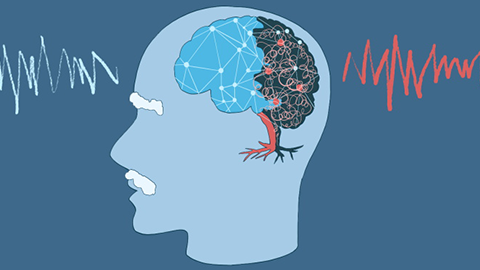
In treating cerebral arteriosclerosis, dietary management must be integrated into the therapeutic plan. Since this disease is closely associated with unhealthy eating habits, patients should avoid high-salt diets, limit cholesterol intake, consume more vegetables, and maintain a healthy body weight. When cerebral arteriosclerosis progresses to an advanced stage and fails to respond to pharmacological treatment, surgical intervention becomes the only viable option.

Patients must maintain regular daily routines—going to bed early, waking up early, and eating three balanced meals at consistent times each day. We hope this information proves helpful to you.



