


What to Do If Hives Appear
Aug 24, 2022
Source: Cainiu Health

Dr. Liu Wan
Introduction
Urticaria can be treated through traditional Chinese medicine (TCM) therapies, such as herbal fumigation and washing. Additionally, herbal medicine is a commonly used and highly effective treatment for urticaria. Not only is it effective, but it also acts rapidly, enabling prompt control of the patient’s condition. Herbal therapy can modify the patient’s allergic constitution and enhance their immune function.
Urticaria is a common skin disorder; however, public understanding of it remains limited—this is why many treatment approaches have been attempted yet proven ineffective. Proper medical evaluation is essential for urticaria, and appropriate pharmacological intervention should be initiated to achieve optimal therapeutic outcomes. So, what should one do when urticaria occurs?
What to Do When Urticaria Occurs
Urticaria can be managed through traditional Chinese medicine (TCM) therapies, including herbal fumigation and washes. Among various treatment options, TCM formulations are frequently used and demonstrate relatively favorable efficacy—not only are they effective, but they also act rapidly, enabling prompt control of symptoms. TCM treatment helps modulate the patient’s allergic constitution, enhances immune function, and accelerates restoration of the skin’s self-regulatory capacity, thereby effectively preventing recurrence of urticaria. Additionally, fumigation and topical herbal washes may also be employed as adjunctive treatments.

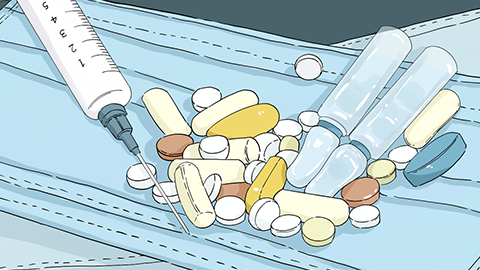
Urticaria may be triggered by medications, physical factors, or other causes. Numerous drugs are known to induce urticaria—for instance, penicillin, serum vaccines, sulfonamides, antidiarrheal agents, aspirin, atropine, and vitamin B supplements. Environmental triggers include temperature fluctuations (e.g., extreme heat or cold), excessive sun exposure, mechanical irritation (e.g., friction from clothing or objects), insect bites, and contact with allergens such as pollen or aerosol sprays.
In daily life, patients should pay close attention to dietary habits—avoiding seafood, maintaining a light diet, drinking ample boiled water, and wearing soft, non-irritating clothing. We hope this information proves helpful to you.





