


Is nasal congestion in newborns a sign of a cold?
Sep 13, 2022
Source: Cainiu Health

Dr. Xie Zixing
Introduction
Nasal congestion in newborns is not necessarily due to a cold. When newborns actually have a cold, they often do not present with nasal congestion, but rather with nonspecific symptoms such as lethargy, reduced milk production, increased or decreased sleep, and irritability. Sneezing in newborns is not a sign of a cold. Newborns have just entered the natural environment and have not yet fully adapted to it. External stimuli can cause itching of the nasal mucosa, leading to sneezing.
A newborn baby may have visible nasal mucus, which could affect the baby's sleep. But is nasal congestion in newborns a sign of a cold?
Is Nasal Congestion in Newborns a Sign of a Cold?
Nasal congestion in newborns is not necessarily caused by a cold. When newborns catch a cold, they usually do not present with nasal congestion as the main symptom; instead, they may show nonspecific signs such as lethargy, reduced milk intake, changes in sleep patterns (either increased or decreased), and irritability. Sneezing in newborns does not mean they have a cold. Newborns have just entered the natural environment and have not yet fully adapted. External stimuli can cause itching of the nasal mucosa, leading to sneezing. Therefore, nasal congestion or sneezing in newborns does not automatically indicate a cold, and parents should not give cold medicine casually. Misuse of cold medications can dry out the baby’s nasal mucosa, reduce secretions, and further weaken the body's defense against external microbes.
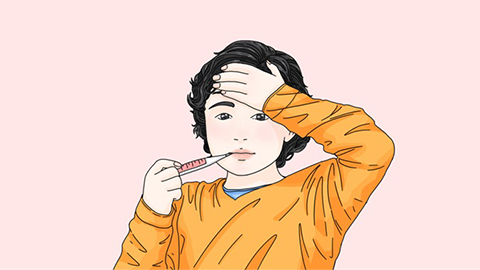
When a baby's nose is blocked and breathing through the nostrils becomes difficult, mothers can use a clean towel or gauze soaked in hot boiled water. After wringing it out thoroughly, gently place it over the baby’s nose, being very careful not to burn the baby. Then apply this warm compress to the bridge of the baby’s nose. Applying the warm compress for a longer duration and repeating the process several times can help soothe the nasal area, reduce sneezing, relieve nasal congestion, and ease breathing difficulties, allowing the baby to breathe more comfortably.
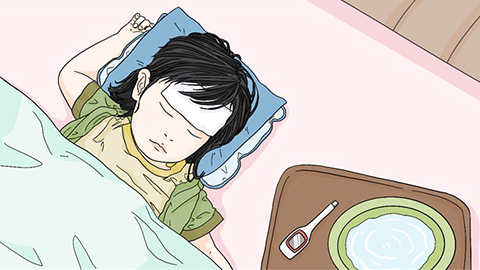
In daily care, ensure the baby stays warm and avoid exposure to cold to prevent catching a cold. We hope this information is helpful to you. Wishing you good health and happiness!






