


How should eczema on a newborn's face be managed?
Sep 13, 2022
Source: Cainiu Health

Dr. Chen Zhe
Introduction
Newborns with eczema are very sensitive to heat; if the room is too warm, their eczema can worsen. Maintaining a moderate room temperature is beneficial for the recovery of newborns with eczema. Keep the baby's face clean and hygienic by washing it with lukewarm water—maintaining facial cleanliness is an important step in relieving eczema symptoms. Mothers who are breastfeeding should avoid consuming foods that may cause allergic reactions.
It is common for newborns to develop eczema on their faces. When this occurs, parents need to pay special attention in daily care. So, how should facial eczema in newborns be managed?
How to manage facial eczema in newborns
The following points should be observed in daily life, and cold wet compresses can also be used to help relieve eczema.
1. Newborns with eczema are particularly sensitive to heat. If the room is too warm, the eczema may worsen. Maintaining a moderate room temperature is beneficial for the recovery of newborns with eczema.
2. Keep the newborn’s face clean and hygienic. Wash gently with lukewarm water. Keeping the baby’s face clean is an important step in alleviating eczema symptoms.
3. Mothers who are breastfeeding should avoid consuming allergenic foods such as milk, eggs, fish, and shellfish.
4. For newborns with facial eczema, soak 4–6 layers of gauze in purified or mineral water, then apply the damp gauze to the affected areas. Repeat this 2–3 times daily to help draw out exudate from the eczema.
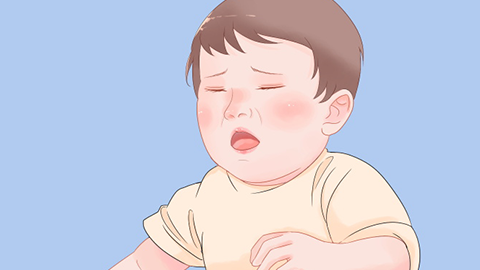
Facial eczema in newborns is associated with various internal and external factors. Internally, it is mainly related to the infant's skin characteristics and allergic predisposition. Some babies have a congenital tendency toward allergies and may react to wool products, dust, pollen, or certain foods such as milk.
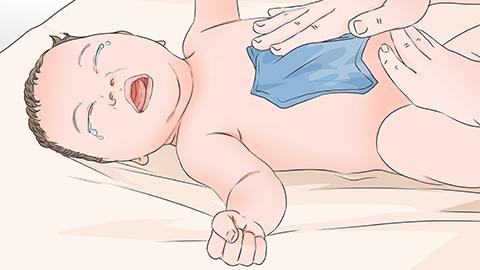
Additionally, acquired factors such as nutritional imbalances, excessive nutrition, indigestion, inappropriate clothing, ultraviolet exposure, cold or hot weather, mechanical friction from scratching, irritation from saliva or milk residue, and over-bathing may contribute. We hope this information is helpful to you. Wishing you good health and happiness!






