Normal range of cervical length during pregnancy
Sep 13, 2022
Source: Cainiu Health

Dr. Lv Aiming
Introduction
The normal cervical canal length during pregnancy ranges from 24 to 34 millimeters. The cervical canal primarily functions to keep the cervix closed during pregnancy, helping prevent spontaneous abortion. Measuring cervical canal length during pregnancy is important for assessing the risk of miscarriage and preterm birth, and determining whether fetal preservation treatment is necessary. It's also important to monitor vaginal discharge for any abnormalities, maintain good hygiene, and prevent gynecological inflammation.
Some pregnant women worry that their cervical length may be abnormal, which could affect the baby in their womb and have certain negative impacts on the child's future development. So, what is considered a normal cervical length during pregnancy?
Normal Cervical Length During Pregnancy
During pregnancy, a cervical canal length between 24 mm and 34 mm is considered within the normal range. The cervical canal primarily functions to keep the cervix closed during pregnancy, helping prevent spontaneous miscarriage. Measuring cervical canal length during pregnancy helps assess the risk of miscarriage and preterm birth, and determines whether fetal preservation treatment is necessary. If the cervical canal length is less than 24 mm and shows progressive shortening upon repeated examinations one week apart, it indicates cervical insufficiency. In such cases, hospitalization for fetal protection and expectant management, or cervical cerclage surgery, may be recommended. Among these, cervical cerclage is the most effective treatment for cervical insufficiency.
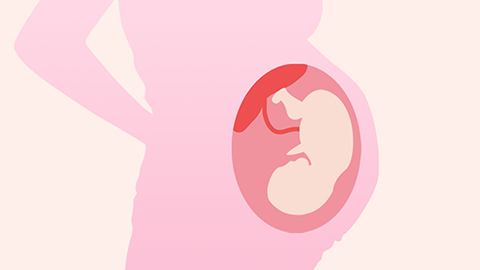
Even if the cervical canal length exceeds 24 mm, a U-shaped or V-shaped cervical dilation may still indicate cervical insufficiency. When minor abnormalities are detected via ultrasound, and cervical length remains within the normal range, routine prenatal checkups should continue. If the cervical canal is short, it’s important to check for uterine contractions. Irregular contractions combined with a significantly short cervical canal require interventions to protect the fetus and prevent preterm delivery. Women should also monitor vaginal discharge for any changes, maintain good hygiene, and take preventive measures against gynecological infections.

As pregnancy progresses, the internal os of the cervical canal gradually widens in late gestation, forming the lower uterine segment, which facilitates childbirth. However, before 28 weeks of gestation, the cervical canal should not progressively shorten. We hope this information has been helpful. Wishing you good health and a pleasant life!