


What causes fainting after stretching, and what should be done?
Oct 21, 2022
Source: Cainiu Health

Dr. Tian Hongbo
Introduction
Fainting after stretching may be caused by orthostatic hypotension, hyperventilation, low blood sugar, arrhythmia, or cerebral vascular stenosis, and can be improved according to the specific cause. It is recommended to seek timely medical attention at a hospital and receive treatment under the guidance of a doctor. When standing up quickly after prolonged squatting or sitting, the rapid change in body position may result in insufficient blood supply to the brain within a short period of time.
Feeling dizzy or fainting when stretching may be caused by orthostatic hypotension, hyperventilation, hypoglycemia, arrhythmia, cerebral vascular stenosis, etc., and improvements can be made according to the specific cause. It is recommended to seek timely medical attention at a hospital and receive treatment under the guidance of a physician.
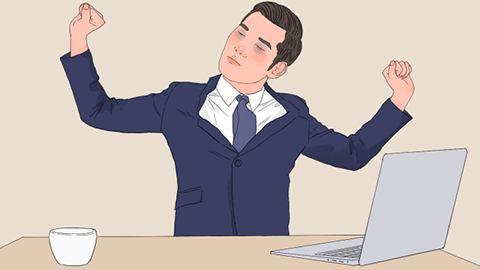
1. Orthostatic Hypotension: When rising quickly from a prolonged squatting or sitting position to stretch, the sudden change in body posture can temporarily prevent adequate blood supply to the brain, resulting in brief cerebral ischemia that causes dizziness or even fainting. It is advised to slowly adjust your posture before stretching—such as gradually standing up from a seated position—and pausing briefly before stretching.
2. Hyperventilation: Stretching may trigger unconscious deep breathing, leading to hyperventilation. Excessive exhalation of carbon dioxide causes cerebral vasoconstriction, reducing blood flow to the brain and potentially causing dizziness or fainting. If you feel dizzy after stretching, stop deep breathing immediately and try slow, rhythmic breathing—inhaling through the nose and exhaling through the mouth.
3. Hypoglycemia: Skipping meals for extended periods leads to low blood glucose levels, impairing energy supply to the brain. The act of stretching might then trigger dizziness and lead to fainting. Maintain regular meal times and avoid prolonged fasting. Individuals prone to hypoglycemia should carry small sugary snacks such as candies or biscuits for immediate intake if needed.
4. Arrhythmia: This condition may be related to genetic mutations, physical activity, emotional fluctuations, and other factors, potentially affecting the heart's pumping function. During stretching, changes in body position and muscle activity may increase cardiac workload, triggering fainting episodes, possibly accompanied by symptoms like tachycardia and palpitations. Patients may take medications such as quinidine sulfate tablets, procainamide hydrochloride tablets, or verapamil hydrochloride tablets as directed by a physician to relieve symptoms.
5. Cerebral Vascular Stenosis: Conditions such as atherosclerosis or abnormal blood vessel development may lead to this disorder. Symptoms may include sudden one-sided limb weakness, numbness, or difficulty holding objects, and fainting after stretching may occur. Under medical guidance, medications such as enteric-coated aspirin tablets, atorvastatin calcium tablets, or butylphthalide soft capsules may be used to improve symptoms.
In daily life, it is recommended to maintain a healthy lifestyle—including a light diet, regular sleep patterns, and consistent physical activity—which helps support overall recovery and well-being.








