


How is herpes virus infection caused?
Dec 29, 2022
Source: Cainiu Health

Dr. Huang Lingjuan
Introduction
This virus can enter the human body through the respiratory tract, mouth, and genital organs, and parasitizes in blood, mucous membranes, and ganglion cells. For healthy individuals, even if infected with the herpes virus, no symptoms may appear. However, if a patient's immune function is reduced, or if they are excessively fatigued, or have certain illnesses such as colds, respiratory infections, or gastrointestinal diseases, the virus within the body may be activated.
Herpes virus infection is a relatively common condition in daily life, and the herpes virus is highly contagious. How is herpes virus infection caused?
What causes herpes virus infection?
This virus can enter the human body through the respiratory tract, mouth, and genital organs, where it parasitizes in blood, mucous membranes, and nerve ganglion cells. In healthy individuals, even if infected with the herpes virus, no symptoms may appear. However, if a person's immune function declines due to excessive fatigue or certain illnesses—such as colds, respiratory infections, or gastrointestinal disorders—the dormant virus within the body may become activated and replicate extensively, leading to disease onset.
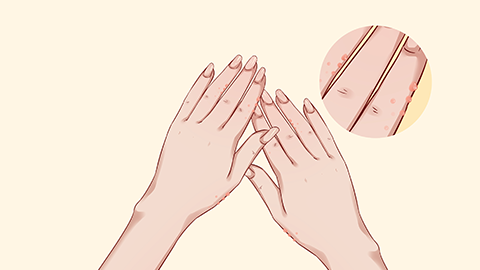
Additionally, the development of herpes virus infection is closely related to congenital factors. Congenital infections mainly occur via the placenta. If a woman becomes infected with the herpes virus during pregnancy, the newborn may acquire the infection through the birth canal during delivery. Regardless of the cause, patients must receive standardized treatment. The earlier the treatment begins, the better the therapeutic outcome.
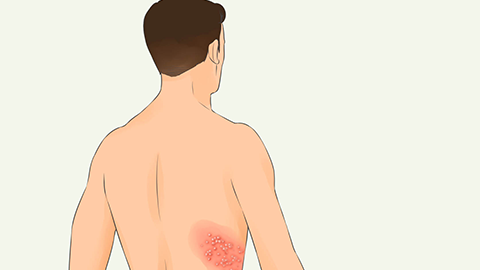
After being infected with the herpes virus, patients should not only follow medical guidance for treatment but also take good care of themselves in daily life. They should consume nutritious foods and avoid spicy, stimulating, fried, and seafood items such as scallions, ginger, garlic, chili peppers, beef, mutton, fish, crab, and shrimp. Moreover, patients should maintain personal hygiene during treatment and avoid scratching the skin to prevent secondary infection. We hope this information is helpful to you. Wishing you good health and a happy life.




