


Are everyone's eyeballs the same size?
Dec 25, 2023
Source: Cainiu Health

Dr. Wang Shuai
Introduction
Everyone's eyeball size is not exactly the same. Eye size is primarily determined by genetic factors, but can also be influenced by external factors such as age, environment, and lifestyle. If you experience any discomfort, it is recommended to seek medical attention promptly. Maintain good eye hygiene, avoid rubbing your eyes with your hands to prevent infection, and limit prolonged use of electronic devices to reduce eye strain.
Each person's eyeball size is not exactly the same. Eyeball size is primarily determined by genetic factors, but can also be influenced by external factors such as age, environment, and lifestyle. If you experience any discomfort, it is recommended to seek medical attention promptly.
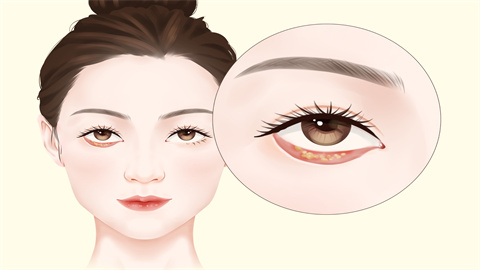
From a genetic perspective, parents' eyeball size directly affects their children. If one or both parents have larger eyeballs, their children are likely to inherit similarly larger eyeballs. Certain genetic disorders, such as congenital microphthalmia or congenital megalophthalmia, can also lead to variations in eyeball size. Additionally, factors such as age, gender, and body weight may also influence eyeball size to some extent. For example, with aging, the eyeball may gradually become smaller due to atrophy.
Furthermore, eyeball size may be affected by certain diseases or conditions. For instance, individuals with vision disorders such as myopia or hyperopia may experience changes in eyeball size. Long-term use of contact lenses or undergoing eye surgeries may also have some impact on eyeball size. Although eyeball size varies from person to person, this does not necessarily mean there is a direct correlation between eyeball size and visual acuity or other physical characteristics.
Maintain good eye hygiene, avoid rubbing your eyes with your hands to prevent infections, and limit prolonged use of electronic devices to reduce eye strain.






