


Can lubricants cause allergies?
Mar 29, 2024
Source: Cainiu Health

Dr. Liu Wenmin
Introduction
Lubricants generally refer to personal lubricants. Whether a personal lubricant causes allergic reactions depends on specific circumstances. The detailed analysis is as follows: In daily life, it is important to get adequate rest, ensure sufficient sleep, avoid staying up late, and engage in appropriate outdoor activities such as walking or jogging. These habits can enhance the body's immunity and aid in recovery.
Lubricants generally refer to personal lubricants. Personal lubricants usually do not cause allergic reactions, but allergies may occur if the product contains multiple ingredients or if an individual has a sensitive constitution. The details are as follows:
Personal lubricants are substances used to reduce friction and wear. In individuals with good health and when the lubricant contains simple, minimal ingredients, allergic reactions are generally unlikely. However, prolonged use should be avoided to prevent potential skin irritation.
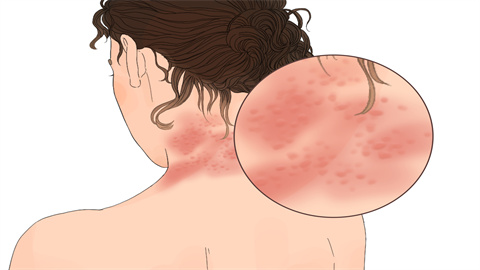
In individuals with poor physical condition or sensitive constitutions, especially when the lubricant contains numerous ingredients, allergic reactions may occur, leading to symptoms such as local itching and redness or swelling of the skin. If left untreated, this could potentially result in skin ulceration. If an allergic reaction occurs, patients may take medications such as loratadine tablets, ebastine tablets, or cetirizine hydrochloride tablets under the guidance of a physician.
In daily life, it is important to get adequate rest and avoid exposure to allergens. Ensuring sufficient sleep and avoiding late nights, along with moderate outdoor activities such as walking or jogging, can help enhance immune function and support recovery.







