What are the benefits and effects of pagoda tree flower (Honeylocust flower)?
Nov 15, 2024
Source: Cainiu Health

Dr. Yang Ziqi
Introduction
In general, pagoda tree flowers (Sophora japonica) have various effects and benefits, including clearing heat, cooling the blood to stop bleeding, antibacterial and anti-inflammatory actions, improving skin condition, and regulating blood pressure. Pagoda tree flowers also possess certain cosmetic benefits, helping to improve skin health, whiten the skin, and fade dark spots. They can also inhibit melanin synthesis in skin cells, thus preventing and treating skin problems related to hyperpigmentation.
Generally, the benefits and effects of pagoda tree flowers (Sophora japonica) include clearing heat, cooling blood to stop bleeding, antibacterial and anti-inflammatory actions, improving skin condition, and regulating blood pressure. The details are as follows:
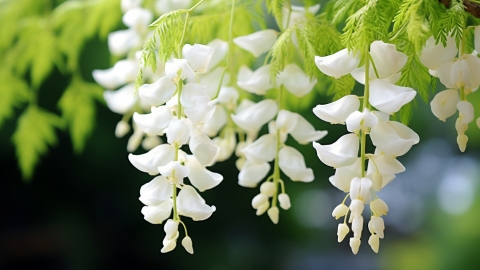
1. Clearing Heat: Pagoda tree flowers have a bitter taste and cold nature, effectively eliminating internal heat toxins. Therefore, they are commonly used to treat abscesses, sores, and toxic swellings caused by heat toxicity, as well as associated symptoms such as redness, swelling, heat, and pain.
2. Cooling Blood and Stopping Bleeding: Pagoda tree flowers can cool the blood and stop bleeding, helping to alleviate hemorrhagic conditions caused by blood heat or hyperactivity of fire due to yin deficiency, such as nosebleeds, bloody stools, and hemorrhoidal bleeding.
3. Antibacterial and Anti-inflammatory Effects: The flavonoids in pagoda tree flowers possess antibacterial properties that inhibit the growth and reproduction of various bacteria, thereby exerting anti-inflammatory effects. This helps in treating inflammatory conditions and diseases caused by bacterial infections.
4. Improving Skin: Pagoda tree flowers also offer certain cosmetic benefits, improving skin health with whitening effects and the ability to fade dark spots. They can suppress melanin synthesis in skin cells, helping prevent and treat skin pigmentation issues.
5. Regulating Blood Pressure: Certain components in pagoda tree flowers help lower blood pressure, aiding in blood pressure regulation and providing supportive benefits for patients with hypertension.
Pregnant women, individuals with cold body constitution, and those prone to diarrhea should use pagoda tree flowers cautiously. Additionally, prolonged or excessive consumption should be avoided, as it may lead to physical discomfort.