


Why should patients with kidney stones avoid eating persimmons?
Nov 19, 2024
Source: Cainiu Health

Dr. Yang Guang
Introduction
In general, patients with kidney stones should avoid eating persimmons, as this may increase the risk of stone formation, affect calcium metabolism, interfere with kidney function,加重 the burden on the kidneys, and cause gastrointestinal reactions. Patients with kidney stones should follow professional medical dietary advice and maintain a balanced diet to promote recovery.
Generally, patients with kidney stones should avoid eating persimmons, as this may increase the risk of kidney stone formation, affect calcium metabolism, interfere with kidney metabolism, increase the burden on the kidneys, and cause gastrointestinal reactions. If discomfort occurs, prompt medical attention is recommended. The detailed explanation is as follows:
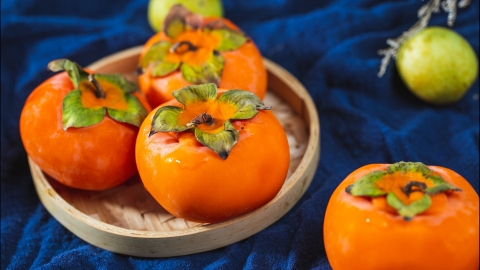
1. Increased risk of kidney stone formation
Persimmons contain large amounts of tannic acid, a substance that easily combines with calcium ions in the body to form calcium tannate, which is insoluble in water. This precipitate may accumulate in the kidneys, increasing the risk of kidney stone formation or causing existing stones to grow larger.
2. Impact on calcium metabolism
Although the oxalic acid content in persimmons is not particularly high, the process by which tannic acid binds with calcium to form precipitates may indirectly affect the body's calcium metabolic balance, thus adversely affecting the condition of kidney stones.
3. Interference with kidney metabolism
Certain components in persimmons may affect the balance of urine composition, impairing the kidneys' ability to excrete and regulate crystalline substances in urine. This could interfere with normal kidney metabolic function and be detrimental to the control and recovery of kidney stones.
4. Increased burden on the kidneys
The kidney function of patients with kidney stones may already be compromised. Consuming foods that may further burden the kidneys, such as persimmons, could worsen kidney damage and hinder recovery.
5. Gastrointestinal reactions
The tannic acid in persimmons may also irritate the gastrointestinal mucosa, causing gastrointestinal discomfort such as abdominal pain and diarrhea. This not only affects the patient's digestion and absorption but may also indirectly impact the treatment and recovery from kidney stones.
Patients with kidney stones should follow professional dietary advice from their doctors and arrange their diet appropriately to promote recovery.





