


What are the functions and effects of zinc oxide sulfur ointment?
Nov 23, 2024
Source: Cainiu Health

Dr. Liu Wenmin
Introduction
Zinc Oxide and Sulfur Ointment is a commonly used topical medication, with the main ingredients being zinc oxide and sulfur. Generally, the effects and uses of zinc oxide and sulfur ointment mainly include treating acne, relieving eczema and dermatitis, antibacterial and insecticidal actions, anti-inflammatory and itch-relieving effects, as well as astringent and drying properties. However, this medication should be used under the guidance of a qualified physician to avoid potential harm to health.
Zinc oxide sulfur ointment is a commonly used topical medication, with main ingredients including zinc oxide and sulfur. Generally, the therapeutic effects and functions of zinc oxide sulfur ointment mainly include treating acne, relieving eczema and dermatitis, antibacterial and insecticidal actions, anti-inflammatory and antipruritic effects, astringency, and drying. However, medications should be used according to medical advice. A detailed explanation is as follows:
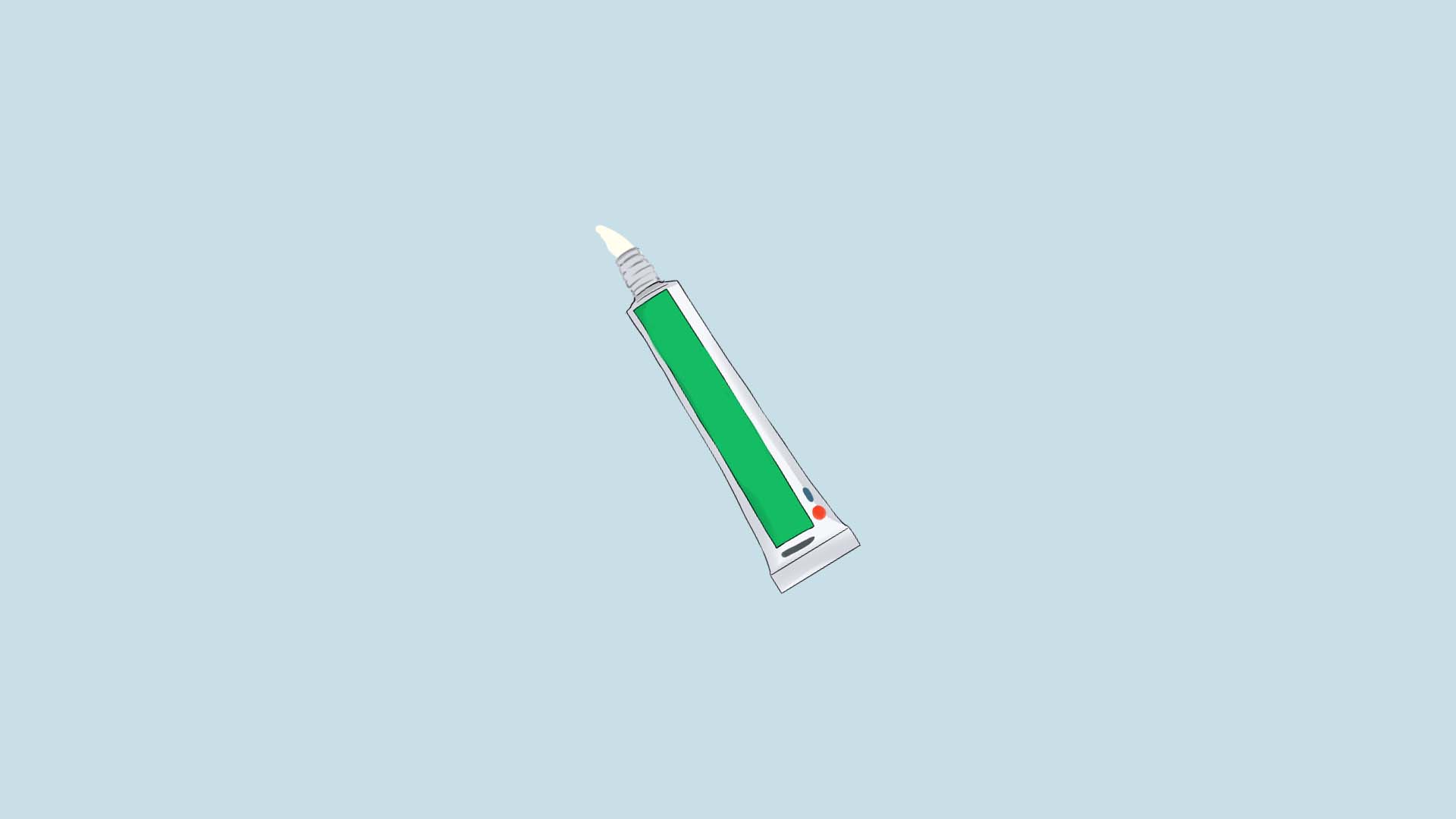
1. Treatment of acne: Zinc oxide sulfur ointment has certain therapeutic effects on acne. The zinc oxide component in the medication has antibacterial, antipruritic, and anti-inflammatory properties, which can help improve acne symptoms. Additionally, its ability to remove skin oils and promote and dissolve keratin also helps alleviate acne.
2. Relief of eczema and dermatitis: Zinc oxide sulfur ointment is commonly used to treat skin conditions such as eczema and dermatitis. Zinc oxide can form a protective film over damaged skin, acting as a physical barrier to reduce bacterial invasion. Moreover, zinc oxide has astringent and anti-inflammatory effects, which can reduce local immune responses and alleviate symptoms of dermatitis.
3. Antibacterial and insecticidal effects: The sublimed sulfur component in zinc oxide sulfur ointment has the ability to kill bacteria, fungi, scabies mites, and螨虫 (mites). This makes the medication notably effective in treating skin diseases caused by these microorganisms.
4. Anti-inflammatory and antipruritic effects: Zinc oxide sulfur ointment alleviates itching symptoms by inhibiting the release of inflammatory mediators such as histamine. Additionally, ingredients such as salicylic acid and menthol in its excipients also have anti-inflammatory, analgesic, and antipruritic properties, further enhancing the medication's itch-relieving effects.
5. Astringent and drying effects: Zinc oxide sulfur ointment has both astringent and drying properties. Zinc oxide can absorb secretions from ulcerated wounds, providing a drying effect. At the same time, it can also promote epidermal cell growth and keratinization maturation, accelerating the wound healing process. This is beneficial for treating exudative skin diseases such as skin ulcers and eczema.
In daily life, patients are advised to keep the affected area dry to prevent infection. Additionally, maintaining healthy eating habits and consuming more fresh vegetables and fruits can aid in disease recovery.




