


How is mumps treated?
Nov 29, 2024
Source: Cainiu Health

Dr. Yang Ziqi
Introduction
For epidemic parotitis caused by viral infection, antiviral therapy is required. Antiviral medications can interfere with the viral replication process, thereby controlling the progression of parotitis. Commonly used antiviral drugs include ribavirin granules, ganciclovir capsules, and acyclovir tablets. For parotitis caused by bacterial infection, antibiotic treatment is generally adopted.
Generally, treatments for mumps include general treatment, cold compresses, medication, symptomatic treatment, and surgical treatment. If symptoms occur, it is recommended to seek timely medical consultation at a hospital and undergo standardized treatment under the guidance of a physician. Detailed explanations are as follows:
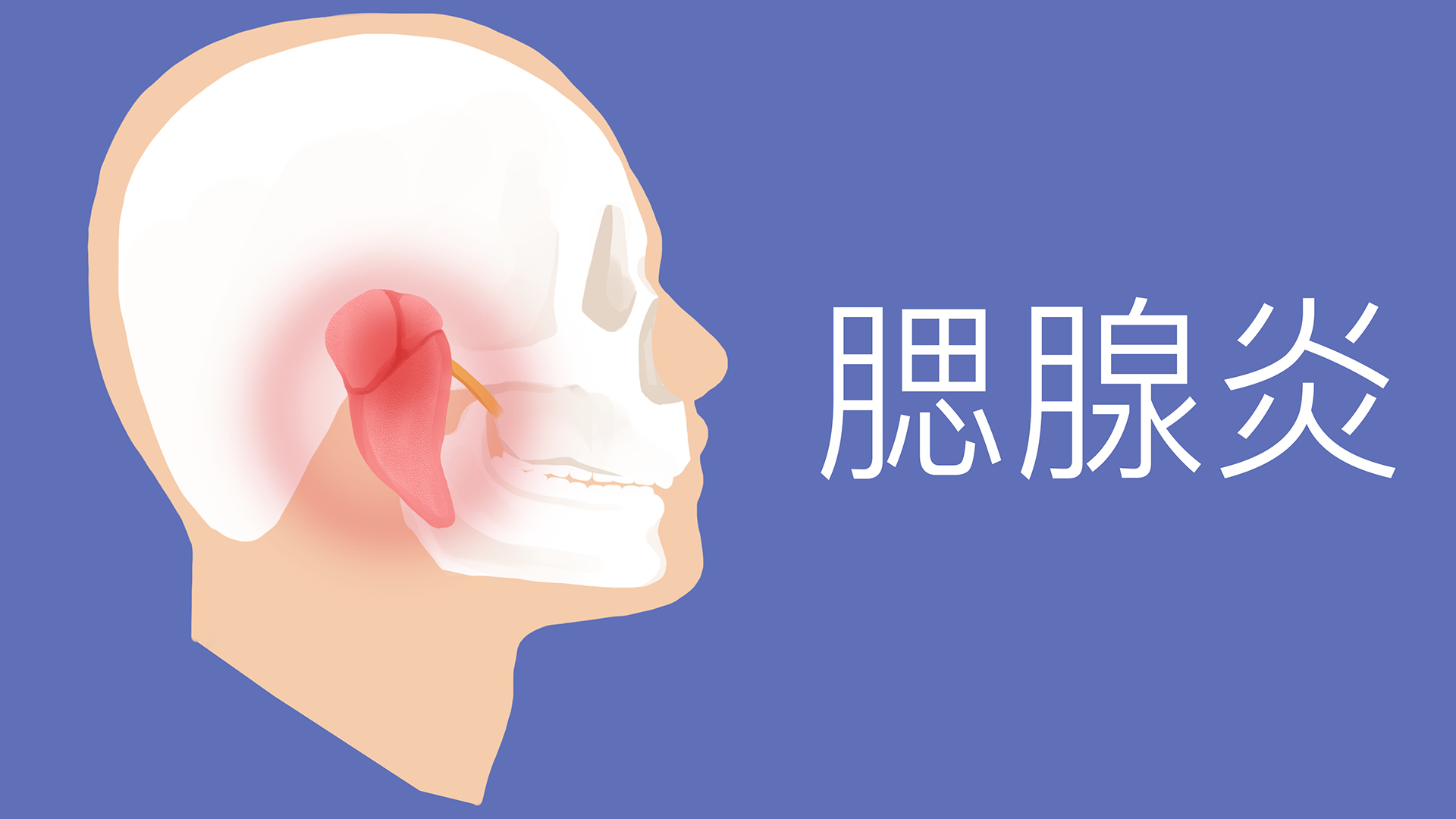
1. General Treatment
Patients with mumps should rest in bed until the swelling of the parotid glands has completely subsided. Adequate rest helps the body recover and reduces the occurrence of complications. Additionally, because mumps is contagious to a certain extent, patients should be isolated to avoid cross-infection.
2. Cold Compresses
In the early stages of mumps, the parotid gland area may become red, swollen, warm, and painful. Applying a cold compress to the parotid area can constrict blood vessels, thereby reducing local swelling and alleviating pain and discomfort.
3. Medication
For epidemic mumps caused by viral infection, antiviral therapy is required. Antiviral drugs can interfere with the virus replication process, thus controlling the progression of mumps. Commonly used antiviral medications include ribavirin granules, ganciclovir capsules, and acyclovir tablets. For mumps caused by bacterial infection, antibiotics are generally used. Commonly used antibiotics include cefradine capsules, amoxicillin capsules, and ampicillin capsules.
4. Symptomatic Treatment
During the illness, patients may experience symptoms such as fever and parotid gland pain. Antipyretic and analgesic medications, such as ibuprofen suspension, acetaminophen tablets, and aspirin enteric-coated tablets, can be used under medical guidance as adjunctive therapy.
5. Surgical Treatment
For patients with acute suppurative mumps or recurrent chronic mumps who do not respond well to medication, surgical treatment such as parotidectomy may be necessary.
It is recommended that during treatment, patients actively cooperate with medical advice, pay attention to rest and dietary adjustments, and promote recovery. Maintaining good living and hygiene habits also helps prevent the occurrence of mumps.






