


How to treat leg pain in the elderly
Dec 02, 2024
Source: Cainiu Health

Dr. Chen Jian
Introduction
Prolonged walking, standing, or strenuous exercise may cause leg muscle strain, leading to pain. Elderly individuals should pay attention to rest and avoid standing or walking for extended periods. Heat application and massage on the affected area can help improve blood circulation and promote muscle relaxation. Cold exposure to the legs causes blood vessels to constrict, reducing blood flow and resulting in oxygen and blood deficiency in the muscles and joints, which can cause pain.
Generally, leg pain in the elderly may be related to excessive fatigue, cold exposure, osteoporosis, osteoarthritis, lumbar disc herniation, and other causes. Treatment usually involves adequate rest, avoiding cold exposure, and medication. It is recommended to visit a hospital for a clear diagnosis and to follow medical advice for treatment. The detailed analysis is as follows:
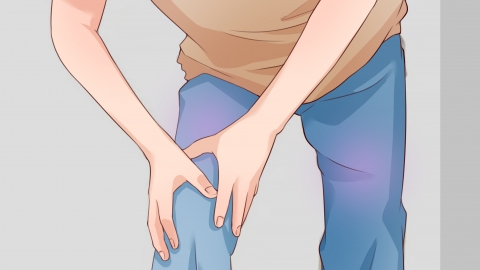
1. Excessive fatigue: Prolonged walking, standing, or strenuous exercise may cause leg muscle strain, resulting in pain. Elderly individuals should ensure adequate rest and avoid prolonged standing or walking. Applying heat and massage to the painful area can help improve blood circulation and relax the muscles.
2. Cold exposure: Cold exposure to the legs can cause vasoconstriction and reduced blood flow, leading to muscle and joint hypoxia and ischemia, which may cause pain. It is important to keep the legs warm and avoid cold exposure. Applying a hot water bottle or warm towel to the legs can help improve blood circulation.
3. Osteoporosis: Osteoporosis increases bone fragility, causes sparse trabeculae, and thins the cortical bone, making fractures more likely and increasing pain after fractures. Elderly individuals may experience symptoms such as back pain, generalized bone pain, and discomfort. Treatment may include calcium carbonate tablets, alfacalcidol soft capsules, and elcatonin injection, following a physician's instructions.
4. Osteoarthritis: With aging, joint cartilage gradually wears away, increasing friction between bones and causing pain, stiffness, and limited joint function. Pain worsens during joint movement, and stiffness may occur in the morning or after prolonged rest, with a reduced range of motion. If necessary, medications such as acetaminophen tablets, aspirin tablets, or ibuprofen sustained-release capsules may be used under medical guidance to relieve discomfort.
5. Lumbar disc herniation: In elderly individuals, intervertebral discs may herniate due to aging or injury, compressing nearby nerve roots and causing leg pain, numbness, and weakness. Radiating leg pain may occur, often accompanied by numbness and tingling sensations, and severe cases may involve muscle weakness. Timely treatment with medications such as mecobalamin tablets, Yaotongning capsules, or Shujin Jian Yao pills may be used following medical advice.
In addition, attention should be given to dietary nutrition, including foods rich in calcium and vitamin D, to prevent osteoporosis.




