What causes pimples on the forehead and how to manage them
Dec 23, 2024
Source: Cainiu Health

Dr. Liu Wenmin
Introduction
Under normal circumstances, pimples refer to acne. Acne on the forehead may be caused by excessive sebum gland secretion, stress, folliculitis, endocrine disorders, or conglobate acne. Under a doctor's guidance, general treatments and medication can be used for treatment. In daily life, one should maintain good作息 habits (作息习惯 translates to "lifestyle habits" in this context), avoiding staying up late and overexertion.
Generally speaking, pimples refer to acne. Forehead acne may be caused by excessive sebum gland secretion, stress, folliculitis, endocrine disorders, or conglobate acne. Treatment options include general therapy and medication under a doctor's guidance. If discomfort persists, timely medical attention is recommended. Detailed analysis is as follows:
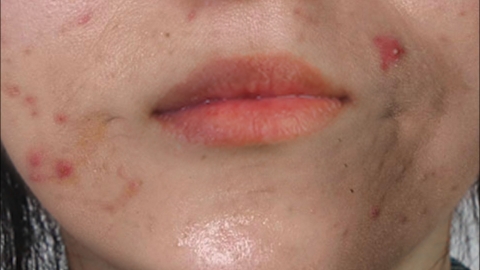
1. Excessive Sebum Gland Secretion
The sebaceous glands in the forehead area are relatively developed. When these glands are overactive, excess sebum can block the hair follicles, leading to acne formation. It is recommended to maintain a balanced diet, reduce intake of high-sugar and high-fat foods, and increase consumption of vegetables and fruits.
2. Stress
Long-term exposure to high-stress conditions can trigger the body's stress response, releasing stress hormones such as cortisol, which may disrupt normal skin metabolism and lead to acne development. Learning stress management techniques, such as deep breathing, meditation, and yoga, can help alleviate stress.
3. Folliculitis
Folliculitis is typically caused by bacterial infection of the hair follicles, such as by Staphylococcus aureus. It can cause red papules, pustules, and other types of pimples on the forehead, accompanied by symptoms like pain, itching, and swelling. Treatment options include topical medications such as mupirocin ointment, fusidic acid cream, and oral medications like potassium penicillin V tablets, as directed by a physician.
4. Endocrine Disorders
Endocrine disorders are mainly caused by excessive secretion of androgens and decreased estrogen levels, which can lead to widespread acne on the forehead and other areas, accompanied by symptoms such as menstrual irregularities, mood swings, and hirsutism. Treatment options include oral medications such as cyproterone acetate tablets, ethinylestradiol and cyproterone acetate tablets, and drospirenone and ethinylestradiol tablets, as directed by a physician.
5. Conglobate Acne
Conglobate acne is primarily caused by severe blockage of the pilosebaceous ducts, bacterial infection, and inflammatory reactions. It presents as multiple acne lesions merging into large patches, accompanied by severe pain, redness, swelling, and pus formation. Treatment options include topical medications such as clindamycin hydrochloride gel, adapalene gel, and oral medications like doxycycline hydrochloride tablets, as directed by a physician.
Maintain good daily habits, avoid staying up late and excessive fatigue. If acne persists without improvement, seek timely medical treatment.