


How to manage high blood sugar levels effectively
Dec 23, 2024
Source: Cainiu Health

Dr. Yang Ziqi
Introduction
There is no such thing as "how to manage slightly elevated blood glucose levels." Elevated blood glucose levels may result from poor dietary habits, lack of physical activity, medication effects, insulin resistance, diabetes, or other causes. Improvement can be achieved through general treatments, medication, and other measures. It is important to follow medical advice, take prescribed medications on time, and pay attention to adjusting lifestyle habits and dietary patterns to promote recovery.
Generally speaking, there is no such thing as "how to manage slightly elevated blood sugar to make it better." Elevated blood sugar levels may be caused by poor eating habits, lack of physical activity, medication effects, insulin resistance, diabetes, and other factors. General treatments and medication therapies can be employed to improve the condition. It is important to seek medical attention promptly and follow medical advice for treatment. The specific causes and management strategies are as follows:
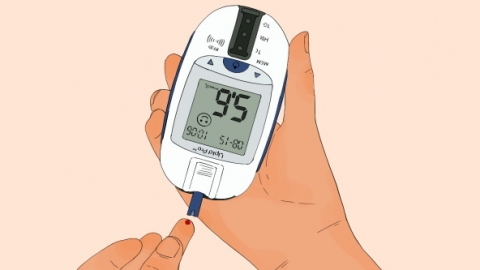
1. Poor dietary habits: Excessive consumption of high-sugar foods, such as candies, pastries, and sugary beverages, or long-term irregular eating patterns and overeating can elevate blood sugar levels because carbohydrates are broken down into glucose and enter the bloodstream. Reduce intake of high-sugar foods and increase consumption of dietary fiber, fresh vegetables, and protein to control total sugar intake.
2. Lack of physical activity: Long-term lack of exercise and physical activity can impair the body's ability to utilize and metabolize glucose, leading to elevated blood sugar levels. Exercise can enhance glucose utilization and lower blood sugar levels. It is recommended to engage in at least 150 minutes per week of moderate-intensity physical activity, such as brisk walking, jogging, or swimming. This helps the body consume excess glucose and reduce blood sugar levels.
3. Medication effects: Certain medications, such as glucocorticoids, antipsychotics, diuretics, and thyroid hormones, may interfere with normal insulin secretion or function, resulting in elevated blood sugar levels and possible accompanying edema. Follow medical advice for treatment with insulin-lowering medications such as insulin glargine injection, insulin aspart injection, or insulin degludec injection.
4. Insulin resistance: Insulin resistance refers to reduced cellular response to insulin, often associated with overweight, obesity, and unhealthy lifestyle habits. This impairs the ability of insulin to facilitate cellular uptake of glucose, leading to elevated blood sugar levels accompanied by hypertension. Under medical guidance, medications such as pioglitazone hydrochloride tablets, rosiglitazone hydrochloride tablets, or metformin hydrochloride tablets can be used to improve insulin sensitivity.
5. Diabetes: Diabetes is a chronic metabolic disorder typically associated with genetic, environmental, and lifestyle factors. It results from insufficient insulin secretion or impaired insulin function, leading to persistently elevated blood sugar levels accompanied by increased thirst. Follow medical advice for drug treatment, such as acarbose capsules, glimepiride tablets, or gliquidone tablets, to control blood sugar levels.
During treatment, it is essential to follow medical instructions, take medications on time, and adjust lifestyle and dietary habits to promote recovery.



