


Can you still eat a mango with black spots?
Jan 25, 2025
Source: Cainiu Health

Dr. Yang Ziqi
Introduction
In general, mangoes with black spots are not recommended for consumption. During the ripening process, phenolic substances inside the mango react with oxygen in the air, causing oxidation and the formation of black spots on the skin. These black spots may indicate that the mango is overripe and that the flesh has begun to spoil. Spoiled mangoes with black spots may contain large amounts of harmful microorganisms.
It is generally not recommended to eat mangoes with black spots. The detailed explanation is as follows:
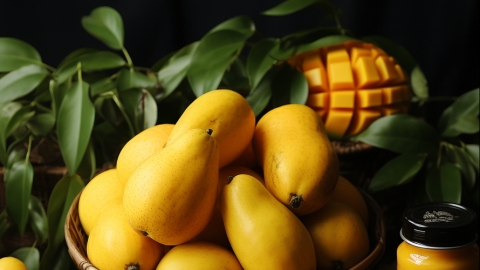
During the ripening process, phenolic substances inside the mango react with oxygen in the air, causing oxidation and the formation of black spots on the peel. These black spots may indicate that the mango is overripe and that the pulp has begun to spoil. Spoiled mangoes with black spots may contain large amounts of harmful microorganisms, and consumption can easily cause intestinal infections, leading to symptoms such as diarrhea, abdominal pain, and fever. Therefore, it is not recommended for consumption.
For individuals prone to allergies, consuming spoiled mangoes may worsen allergic reactions, such as increased skin redness and itching, and may even trigger respiratory symptoms. If the mango peel exhibits numerous black spots along with an unpleasant odor or soft, rotten pulp, it should not be purchased or consumed. To extend the shelf life of mangoes, appropriate storage methods should be employed, such as storing in a cool, dark place or refrigerating.





