


What causes heartburn after eating peaches?
Mar 18, 2025
Source: Cainiu Health

Dr. Shen Yonghua
Introduction
Under normal circumstances, heartburn after eating peaches may be caused by excessive gastric acid secretion, indigestion, gastritis, gastric ulcer, reflux esophagitis, or other related conditions. Medical attention should be sought promptly, and treatment should follow medical advice. Peaches are rich in sugar; when the body consumes high-sugar foods, it can stimulate gastric wall cells to secrete large amounts of gastric acid. Excessive gastric acid can irritate the gastric mucosa, thereby causing heartburn symptoms.
Generally, heartburn after eating peaches may be caused by excessive gastric acid secretion, indigestion, gastritis, gastric ulcer, or reflux esophagitis. Medical attention should be sought promptly, and treatment should follow medical advice. Details are as follows:
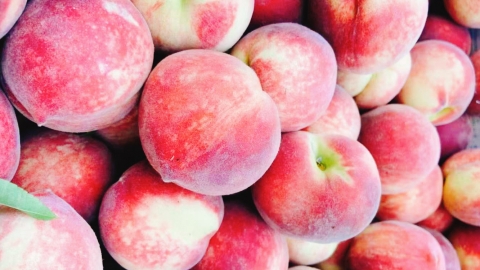
1. Excessive Gastric Acid Secretion: Peaches are rich in sugar. When the body consumes high-sugar foods, it stimulates gastric wall cells to secrete large amounts of gastric acid. Excessive gastric acid can irritate the gastric mucosa, leading to heartburn symptoms. Intake of peaches should be reduced, especially avoiding consumption on an empty stomach.
2. Indigestion: Peaches have a relatively firm texture and contain some fiber, which is not easily digested quickly. If digestive system function is weak or food is consumed too quickly, peaches may remain in the stomach for a prolonged period, causing indigestion and subsequently heartburn. Dietary habits should be adjusted, including chewing food thoroughly and eating slowly, avoiding excessive intake of peaches at one time. Maintaining regular meal times and avoiding overeating are also recommended.
3. Gastritis: Gastritis is an inflammatory lesion of the gastric mucosa that can be caused by various factors such as Helicobacter pylori infection or drug irritation. Certain components in peaches may irritate the gastric mucosa, exacerbating gastritis symptoms and causing heartburn, which may also be accompanied by upper abdominal pain. Under medical guidance, medications such as Amoxicillin Capsules, Clarithromycin Capsules, and Rabeprazole Sodium Enteric-coated Tablets may be used to protect the gastric mucosa.
4. Gastric Ulcer: A gastric ulcer is a deep ulcerative lesion of the gastric mucosa caused by factors such as excess gastric acid or Helicobacter pylori infection. Sugars in peaches may stimulate gastric acid secretion, worsening ulcer symptoms and causing heartburn, which may also be accompanied by stomach pain. Under medical guidance, medications such as Weisu Granules, Colloidal Bismuth Pectin Capsules, and Omeprazole Enteric-coated Capsules may be used for treatment.
5. Reflux Esophagitis: Reflux esophagitis is an inflammatory lesion caused by the reflux of gastric contents into the esophagus. Certain components in peaches may stimulate gastric acid secretion, increasing the risk of gastric content reflux, thereby causing heartburn, which may also be accompanied by retrosternal pain. Under medical guidance, medications such as Mosapride Citrate Tablets, Jianwei Xiaoshi Tablets, and Cisapride Tablets may be used to promote gastric motility.
In daily life, peaches should be consumed in moderation, and attention should be paid to adjusting dietary habits and maintaining gastrointestinal health.
References:
1. Ge Junbo, Xu Yongjian, Wang Chen. "Internal Medicine" [M]. 9th Edition. Beijing: People's Health Publishing House, 2018.







